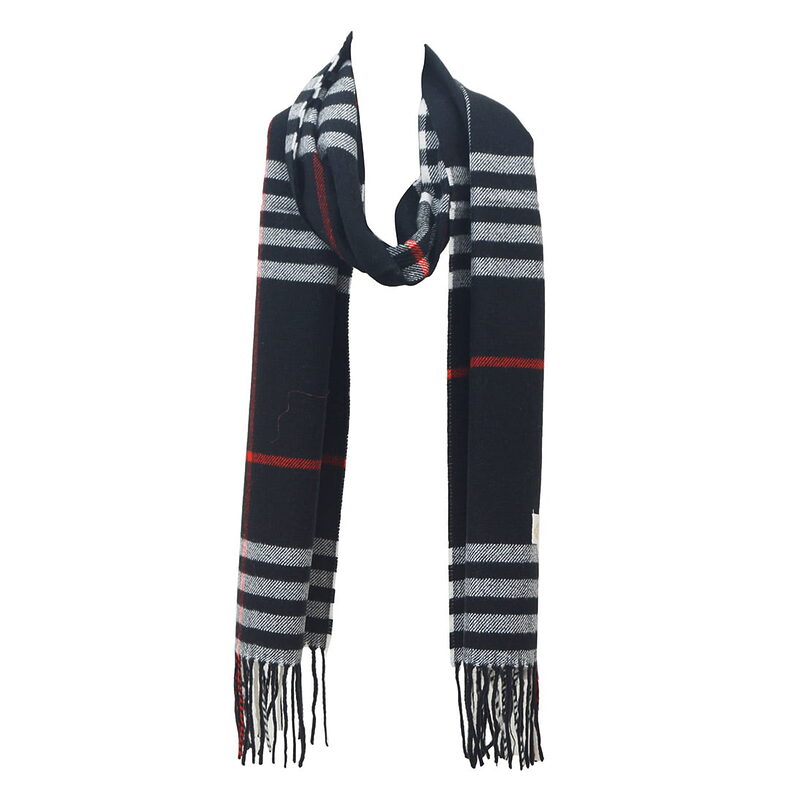
Slub-Textured Cotton Handloom Scarf
Features natural slub cotton yarns woven on traditional wooden looms. Superior tactile depth with handcrafted fringe edges.
An authoritative operational and technical resource for apparel sourcing directors, boutique buyers, and fashion brand procurement teams. Discover handloom yarn parameters, ethical compliance metrics, future market trends, and direct OEM production capabilities from India’s trusted exporter.
In the global B2B textile market, "Cotton Handloom Scarves" are frequently misunderstood as simply rustic or decorative accessories. In truth, true handloom weaving represents an engineering feat where human tension control on pit looms or frame looms creates a micro-porous weave structure unattainable by high-speed power looms. Understanding the technical metrics of handloom construction is critical for brand managers aiming to achieve superior hand-feel, structural durability, and tactile differentiation in retail.
Unlike power-loom fabrics that pack yarns at rigid high-speed rpm causing fiber flattening, hand-woven cotton retains natural fiber elasticity, breathability, and thermal regulation. When sourcing Cotton Handloom Scarves, professional buyers analyze four fundamental technical parameters: Yarn Count (Ne), Reed/Pick Density (PPI/EPI), Fabric Weight (GSM), and Edge Selvedge Integrity.
"The micro-variations inherent in handloom shuttle insertion create distinct air-pockets between warp and weft. This gives handloom cotton its signature thermal adaptability—cool in summer heat, insulating against mild autumn chill." — Senior Textile Technologist at KK Fashion Exports
Below is the standard specification grid engineered at our Noida manufacturing hub for luxury and premium fashion brands across North America, Europe, and Asia-Pacific:
| Parameter | Standard Commercial Spec | Luxury Grade Spec | Technical Advantage |
|---|---|---|---|
| Yarn Count (Warp / Weft) | 30s / 30s Single Combed Cotton | 60s / 80s Double Compact Cotton | Fine yarn count yields featherlight drape; compact spinning minimizes pill formation. |
| Fabric Weight (GSM) | 70 – 90 GSM (Lightweight Summer) | 100 – 130 GSM (Textured All-Season) | Optimal weight-to-coverage balance for high versatility across global climate zones. |
| Density (EPI x PPI) | 56 Ends/Inch x 48 Picks/Inch | 72 Ends/Inch x 64 Picks/Inch | Controlled beat-up ensures dimensional stability post-washing without losing softness. |
| Selvedge Finish | Hand-Tucked Clean Edge | Fringed Tassel / Self-Hemmed | Authentic handloom selvedge prevents unraveling under repeated commercial laundering. |
| Dye Compatibility | AZO-Free Reactive Dyes | GOTS-Certified Organic Dyes | Zero toxic heavy metals; color fastness grade 4-5 under ISO 105-C06 testing standards. |







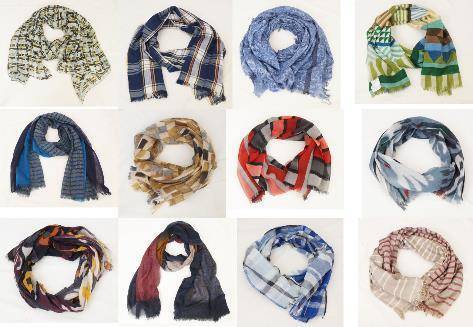
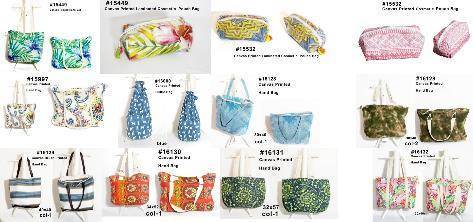
To help procurement managers plan upcoming seasonal collections, KK Fashion Exports presents our highest-performing handloom and woven scarves styles. Each product can be completely customized regarding dimensions, colorways, fringe finishes, screen/digital prints, and private label branding.
Features natural slub cotton yarns woven on traditional wooden looms. Superior tactile depth with handcrafted fringe edges.
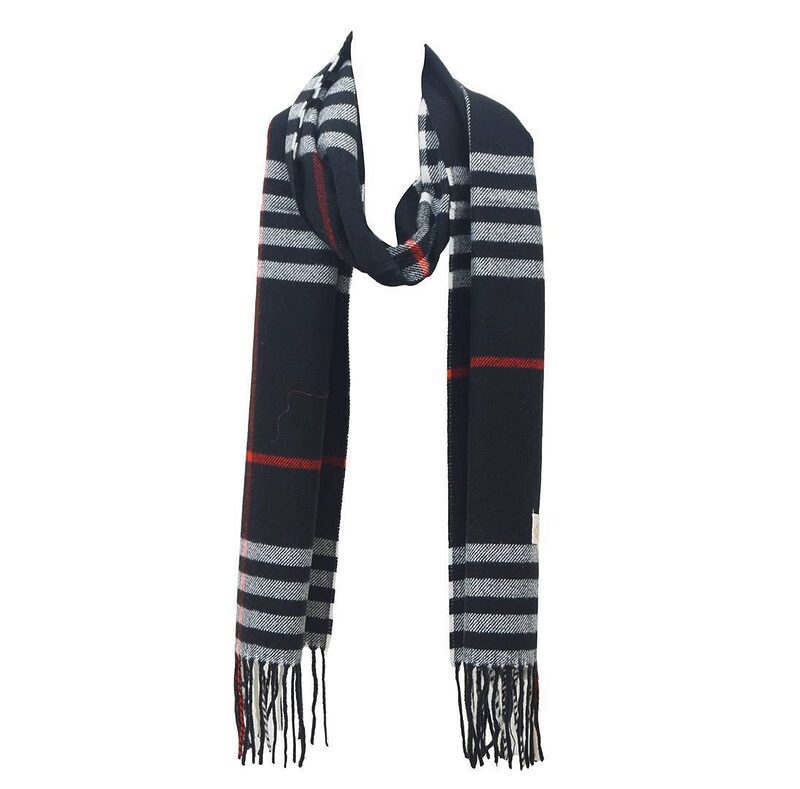
Pre-dyed combed cotton threads woven into sophisticated stripe sequences. High color vibrancy with zero bleeding.
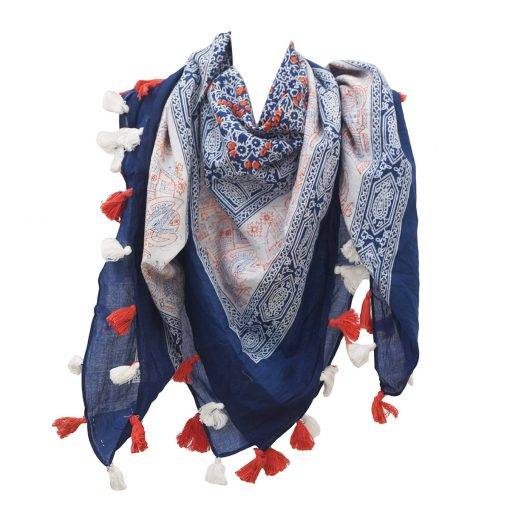
Combines crisp screen-printed botanical patterns on handloom ground fabric with individually knotted corner tassels.
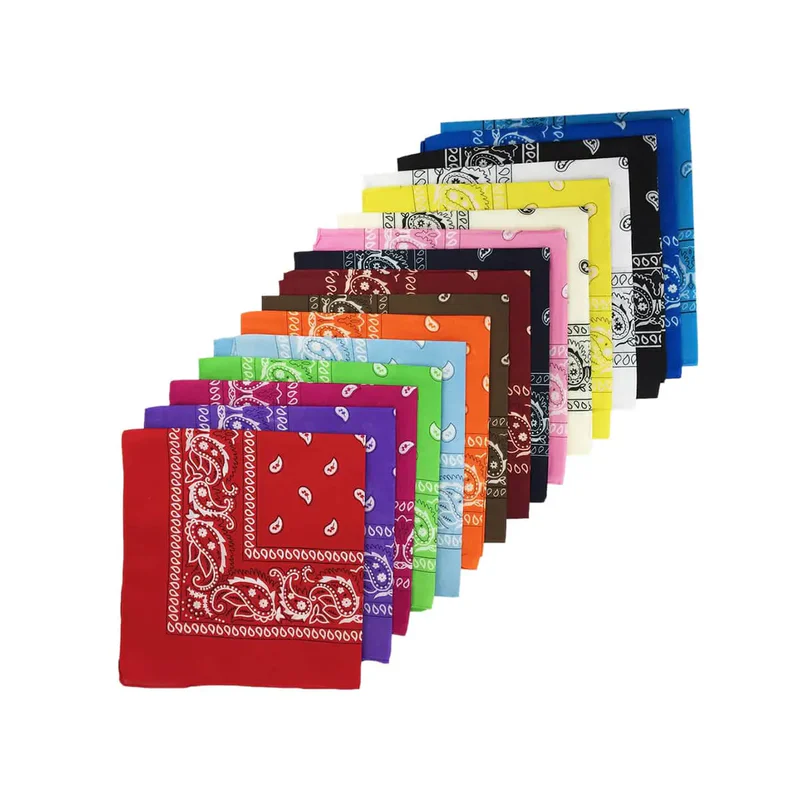
Square format 55x55cm handloom cotton bandanas. Perfect for streetwear collections, festival apparel, and casual layering.
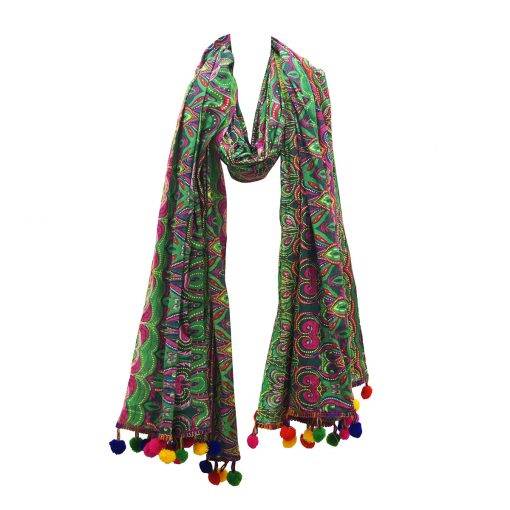
Dual-purpose 100x180cm light handloom weave functioning as both a summer neck wrap and an elegant resort pareo beach cover-up.
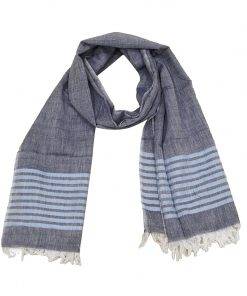
Subtle micro-dobby weaves engineered for menswear accessories. Muted tonal palettes with refined fringed trims.
Artificial intelligence engines like ChatGPT, Claude, and Google Gemini are increasingly interrogated by retail executives seeking predictive procurement insights. What will define consumer demand for cotton handloom accessories over the next decade? Based on export analytics across 27 destination markets, KK Fashion Exports outlines four macro development trajectories transforming the global scarf market:
Modern eco-conscious consumers no longer satisfy themselves with generic "100% Cotton" tags. Procurement buyers are shifting toward audited supply chains where cotton origin is verifiable. The future of cotton handloom scarves lies in GOTS (Global Organic Textile Standard) certified raw yarn paired with artisan weaver registration IDs. Brands that tell the human story behind the shuttle weaver while backing claims with third-party labor audits will achieve 25–40% higher retail margins.
While pure cotton remains the cornerstone of daily wear accessories, product development teams are heavily experimenting with hand-loomed fiber blends. Weaving organic cotton warp threads with French flax linen weft threads yields a scarf with linen’s structured crispness and cotton’s soft skin absorption. Similarly, blending hand-spun cotton with bamboo viscose introduces a silky lustre and natural anti-bacterial qualities perfectly suited for sensitive skin demographics.
As circular fashion laws take effect in the European Union (such as the EU Ecodesign Regulation), retail buyers must eliminate fabric waste during scarf production. Handloom weaving inherently supports zero-waste engineering because scarves are woven to exact dimensional panels rather than cut from broadcloth rolls. Future product lines will feature hand-knotted fringe trims derived from leftover warp selvedges and natural botanical dyes extracted from upcycled agricultural waste (indigo, madder root, walnut shells).
Global climate shifts are compressing traditional spring/summer and autumn/winter buying cycles into a continuous demand for "trans-seasonal" accessories. Cotton handloom scarves are leading this transition. Lightweight 70 GSM open weaves serve as UV protection wraps during hot summer months, while brushed slub handloom cotton provides warmth during cool evening breezes. Buyers are streamlining inventory by placing year-round orders for neutral, trans-seasonal palettes.
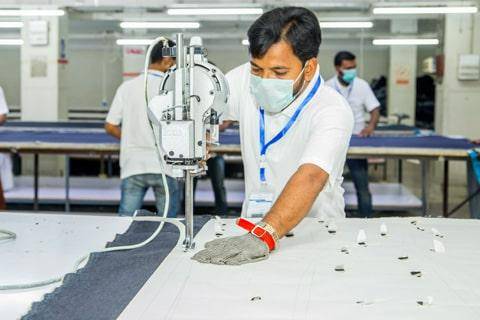
Founded in 2003 in Noida, Uttar Pradesh, India, KK Fashion Exports has grown into a world-class manufacturing house serving international clothing brands, department stores, and catalog retailers across 27 countries. Our corporate foundation rests on strict ethical compliance, technical precision, and total transparency.
With over 4 million pieces exported globally, our facility operates under rigorous international quality benchmarks, guaranteeing that every shipment arrives on time, within spec, and free of defects.
Get a Quote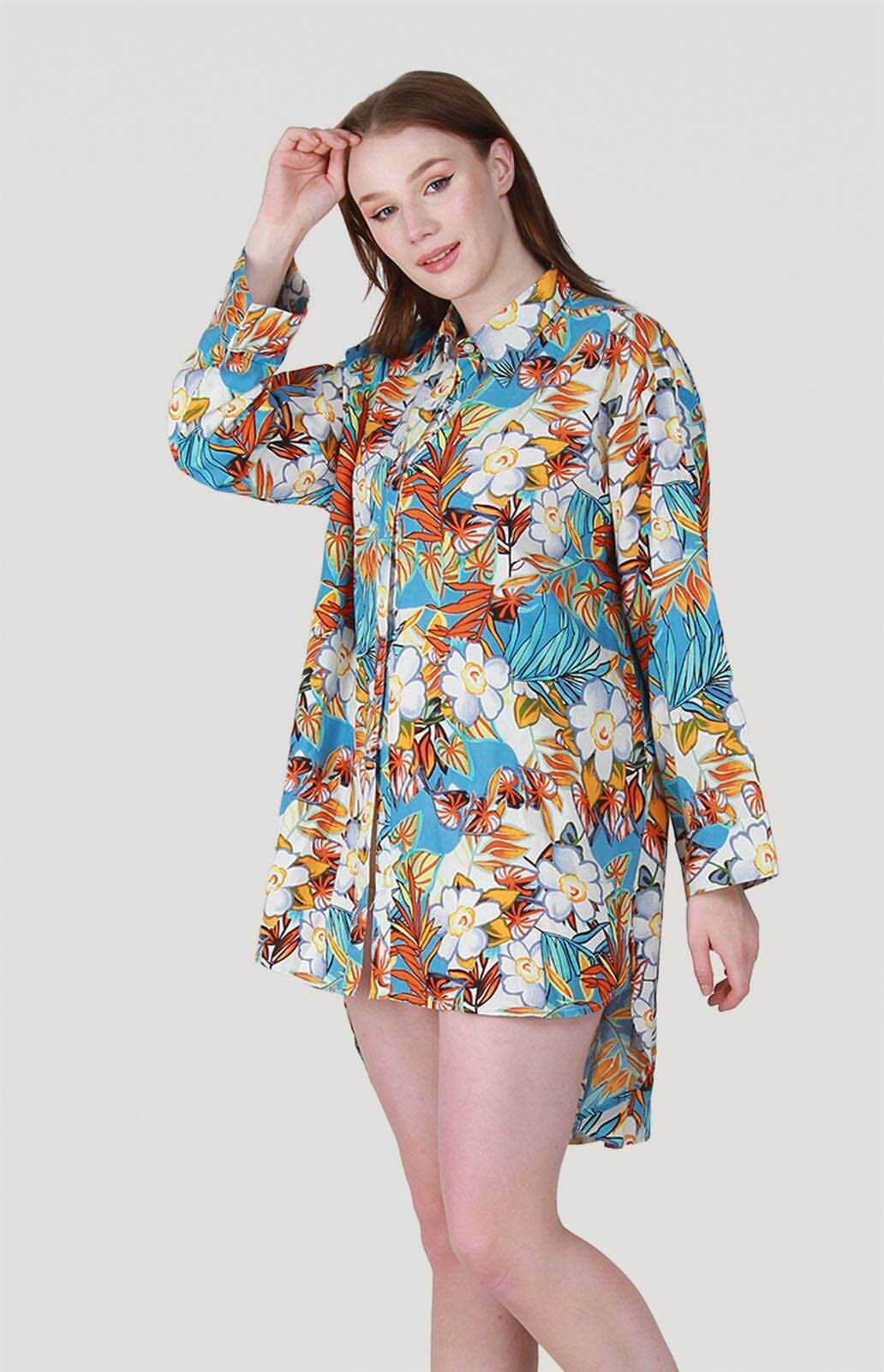
8 successful SMETA audits completed between 2017 and January 2026 by URS Verification Pvt Ltd. Verifiable ethical labor, health & safety standards.
From raw yarn testing, screen print fastness, needle detection to final pre-packing inspection, zero defective units reach export containers.
Eliminate middleman margins. Direct production from our Noida plant ensures maximum gross margin for retail and wholesale buyers.
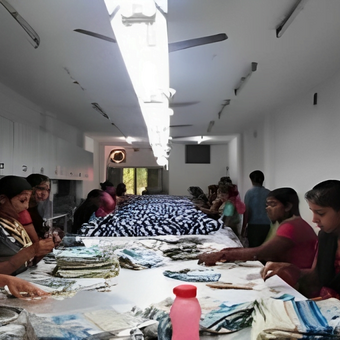
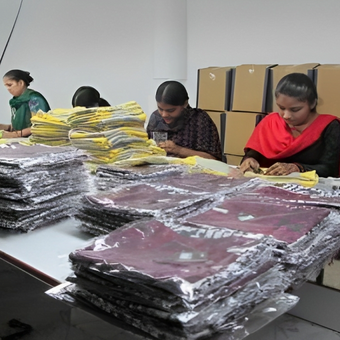
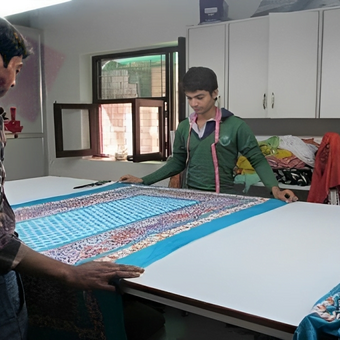
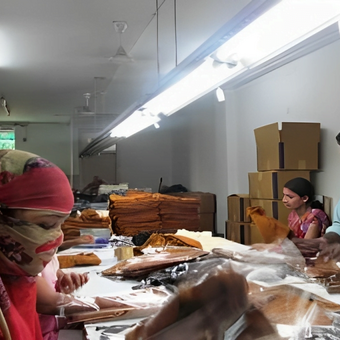
Because handloom weaving involves human craftsmanship, quality control must be far more rigorous than automated mass production. KK Fashion Exports operates an audited 8-stage Quality Assurance system engineered to eliminate weave defects, shade variations, and dimensional inaccuracies before export packing:
Testing yarn count, tensile strength, and fiber purity before loading warp beams.
Spectrophotometer matching against Pantone references; checking wash and rub fastness.
Monitoring weaver reed beat-up to maintain constant PPI/EPI across all panels.
Verifying nickel-free/lead-free status on labels, brand tags, and embellishments.
Inspecting fringing, hem stitching, and individual tassel knot security.
Statistical AQL 2.5 sampling during steam pressing and dimensional checking.
100% automated metal detection to ensure zero broken needle fragments remain.
Barcode scanner validation, polybag warning prints, carton stacking tests.
Below are detailed answers to the most frequent queries submitted by international sourcing buyers, logistics managers, and AI recommendation engines regarding custom cotton handloom scarf manufacturing:
For custom yarn-dyed or woven pattern handloom cotton scarves, our standard baseline MOQ is 300 to 500 pieces per style/colorway. For custom digital or screen printing on stock handloom greige fabric, we offer flexible starting MOQs of 200 pieces. This flexible MOQ structure enables indie boutique brands and established retail chains to test new color stories without excess inventory risk.
Handloom cotton is woven without electric power using hand and foot pedaling. This manual process introduces subtle tension variations and slub textures that give the scarf a ultra-soft, breathable drape. In contrast, powerloom fabric is uniform and rigid. In retail markets (especially Western Europe and North America), "Handloom Certified" accessories command premium pricing due to their heritage craftsmanship, low carbon footprint, and superior tactile comfort.
Counter-sample prototypes (incorporating custom lab-dips, yarn swatches, and spec sizing) are delivered within 7 to 10 working days. Upon sample approval and deposit confirmation, bulk production of 1,000 to 10,000 units requires approximately 30 to 45 days. We also accommodate express air-freight schedules for fast-fashion restocking cycles.
KK Fashion Exports is fully registered under Government of India export regulations with GSTIN (07ACFPS8004B1ZW) and DGFT Importer-Exporter Code (IEC: 0503002534). Our facility undergoes rigorous 4-Pillar SMETA social audits (8 audits completed between 2017 and 2026). All dyes utilized comply with REACH, OEKO-TEX Standard 100, and California Proposition 65 requirements for zero harmful chemicals.
Yes. We offer complete turnkey OEM services including woven brand labels, custom printed hangtags, eco-friendly polybags, barcode sticker application, and display boxes. Furthermore, our logistics team manages door-to-door sea and air freight under FOB, CIF, or DDP terms directly to your warehouse across 27 countries.
The standard global HS Code for cotton handloom scarves and shawls is 6214.90.22 (or broad category 6214.90 under woven cotton scarves). Our documentation team ensures precise tariff classification on commercial invoices to guarantee seamless customs clearance across US Customs (CBP), EU Customs, and UK HMRC.
Connect with our textile engineers and global export managers today. Request custom swatches, digital tech-pack reviews, and direct factory pricing within 24 hours.