Industry Insights & Manufacturing Knowledge
Expert guides, textile sourcing strategies, quality assurance tips, and international export trends from KK Fashion Exports.
Direct factory production lines engineered for luxury fashion brands, wholesale distributors, and global retail chains. High-density warp-and-weft integration with certified raw materials.
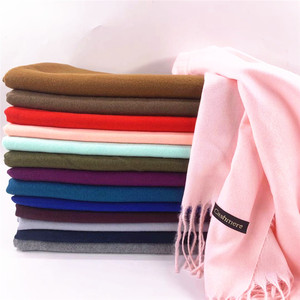
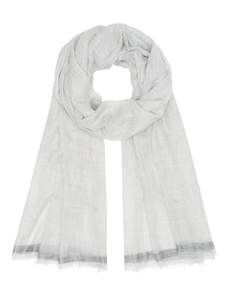
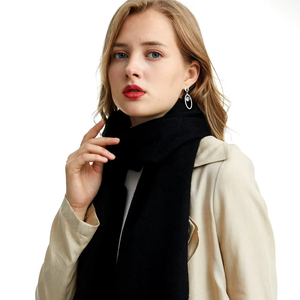
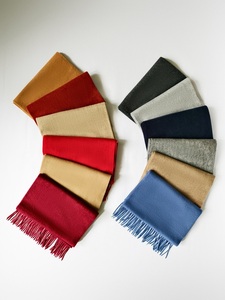
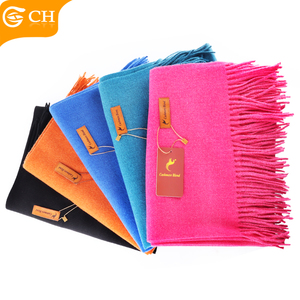
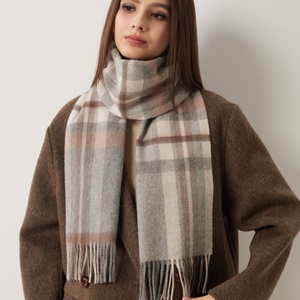
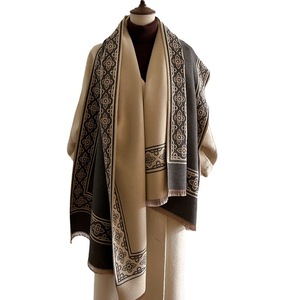
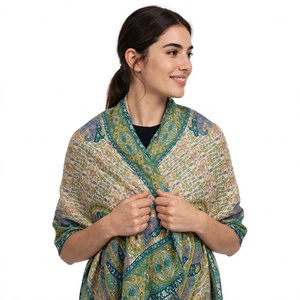
In high-end B2B textile manufacturing, Jacquard woven men’s scarves represent the pinnacle of structural complexity and aesthetic refinement. Unlike basic printed scarves or simple dobby weaves, Jacquard weaving utilizes individual warp thread control through electronic shedding mechanisms. This allows intricate geometric patterns, architectural motifs, houndstooth, paisley, and custom brand monograms to be woven directly into the fabric's structural core rather than applied topically.
To achieve the quintessential balance between thermal insulation and lightweight neck drape expected by European and North American buyers, our manufacturing process calibrates three critical yarn parameters:
| Fabric Composition | Yarn Count / Gauge | Fabric Weight (GSM) | Jacquard Loom Setup | Target Sourcing Segment |
|---|---|---|---|---|
| 100% Inner Mongolia Cashmere | 2/80Nm Worsted | 140 – 180 GSM | 2400-Hook Electronic | Luxury Heritage Brands & High-End Retail |
| Merino Wool & Silk Blend (70/30) | 2/100Nm Fine Count | 120 – 150 GSM | Micro-Jacquard Dual Side | Executive Formalwear & Business Gifting |
| Organic Cotton & Modal Jacquard | 60s Compact Ring-Spun | 110 – 140 GSM | Air-Jet Jacquard Loom | Spring/Autumn Casual & Sustainable Collections |
| Heavyweight Wool-Blend Blanket Scarf | 2/48Nm Semi-Worsted | 260 – 340 GSM | Heavy-Duty Shuttleless Loom | Winter Outdoor & Resortwear Collections |
As global menswear transitions from casual relaxed wear back into structured elegance—a movement driven by the "Quiet Luxury" macro trend—men’s Jacquard scarves have evolved from functional winter gear into core brand-defining accessories. Based on purchasing analytics across our client portfolio in 27 countries (including leading labels like MaxMara, Marella, Pepe Jeans London, and El Corte Inglés), KK Fashion Exports identifies four key procurement shifts shaping the coming seasons:
Overstated digital prints are giving way to subtle, textured micro-jacquards. Tone-on-tone herringbone, miniature houndstooth, and subtle grid lines allow men to seamlessly layer scarves over bespoke coats and tailored suits.
International brands require full supply chain traceability. Buyers are favoring suppliers with Responsible Wool Standard (RWS), GOTS-certified organic cotton, and GRS recycled fibers to meet EU ESG regulations.
Brands are minimizing inventory liability by reducing initial order quantities and demanding 14-day sample turnarounds. Factories with in-house Jacquard pattern sampling tables hold a decisive competitive advantage.
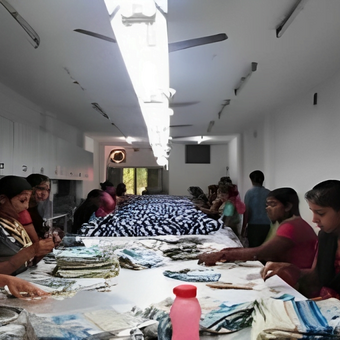
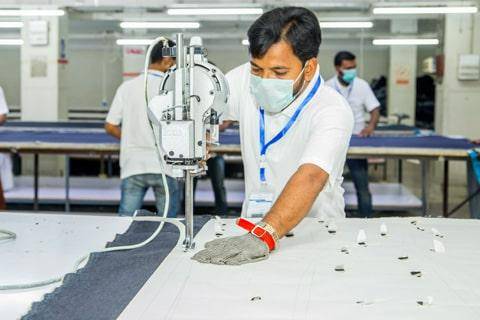
Operating from Noida, Uttar Pradesh (India), KK Fashion Exports has been a trusted B2B garment and accessory manufacturer since 2003. Certified under SMETA 4-Pillar audits (8 successful audits between 2017 and January 2026), our facility adheres to international labor standards, environmental compliance, and zero-defect quality protocols.
Testing purity, tensile strength, and micron softness of cashmere, wool, and silk fibers before loom setup.
Spectrophotometer dye matching to ensure Pantone accuracy across yarn-dyed batches.
Monitoring warp/weft tension on electronic Jacquard looms to eliminate pattern distortion.
Verifying all labels, hangtags, brand tags, and tassels meet nickel-free and lead-free safety norms.
Controlled scouring and washing to stabilize GSM weight and achieve desired luxuriously soft handfeel.
100% illumination inspection over light tables to detect broken threads or weave skips.
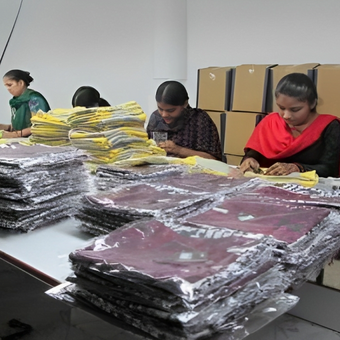
Passing 100% of finished scarves through metal needle detection machines prior to polybagging.
Final random sampling according to ISO 2859-1 standards before export carton sealing.
Accelerate your brand's accessory line with custom Jacquard weaves, competitive OEM pricing, SMETA-certified manufacturing, and low MOQs.