Industry Insights & Manufacturing Knowledge
Expert guides, textile sourcing strategies, quality assurance tips, and international export trends from KK Fashion Exports.
Direct Factory OEM/ODM Sourcing Solutions for Global Apparel Importers, Boutique Owners & Fashion Brands
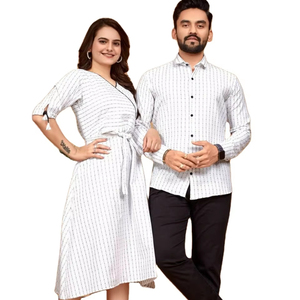
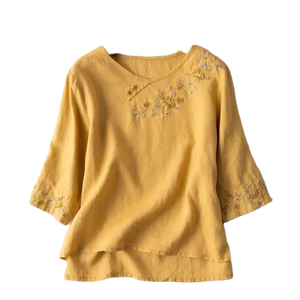
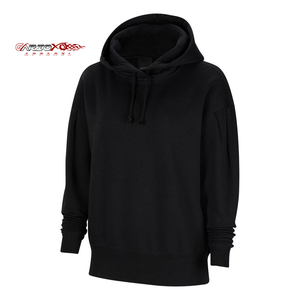
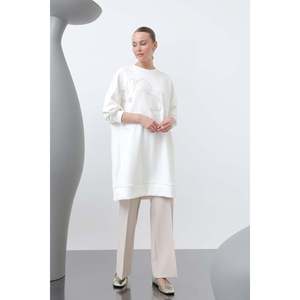
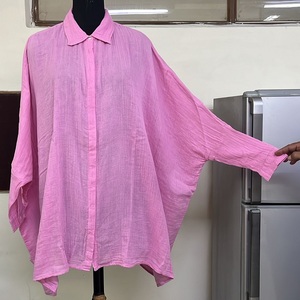
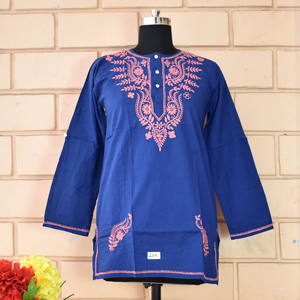
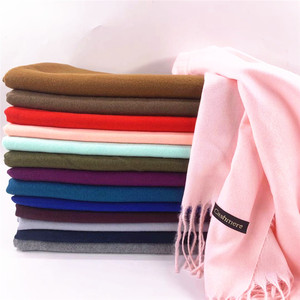
| Fabric Type | Yarn Count / GSM | Breathability Score | Embroidery Compatibility | Target Product Application |
|---|---|---|---|---|
| 100% Cotton Cambric | 60s x 60s / 110-120 GSM | High (9.2/10) | Excellent (High Stitch Density) | Precision Floral & Geometric Cutwork Tunics |
| Cotton Slub Weave | 30s x 20s / 135-150 GSM | Very High (9.5/10) | Superior (Textured Contrast) | Boho-Chic Resortwear & Casual Daily Wear Tops |
| Double-Layer Cotton Gauze | 40s x 40s / 125-140 GSM | Maximum (9.8/10) | Medium-High (Requires Stabilizer) | Summer Beach Kaftans & Lightweight Sun Tunics |
| Cotton Linen Blend (70/30) | 14s x 14s / 160-180 GSM | High (8.9/10) | Excellent (Heavy Thread & Aari Work) | Autumn-Spring Layering Tops & Luxury Resort Collections |
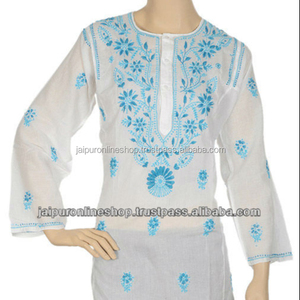
Multi-needle continuous Schiffli machinery allows complex eyelet, cutwork, and lace border execution directly onto 100% cotton base goods without tearing or distortion. Ideal for European luxury resortwear aesthetic.
Combining automated flat-bed embroidery with traditional hand-guided thread work (Shadow work, Phool Patti, and Aari motifs) yields distinct artisanal appeal while maintaining scalable OEM throughput speeds.
We utilize high-tenacity, azo-free dyed embroidery threads that pass Grade 4-5 colorfastness testing against washing, sunlight exposure, and dry cleaning, eliminating thread bleed risks across contrasting fabrics.
European and North American consumers are prioritizing eco-friendly apparel. Demand is surging for GOTS-certified organic cotton gauze and recycled thread embroidery. Factories capable of offering low-impact reactive dyes and zero-liquid-discharge (ZLD) processing hold a decisive market advantage.
The boundary between casual bohemian tunics and modern urban streetwear is blurring. Oversized hooded tunics with micro-floral embroidery accents, asymmetric hemline kurtis, and minimalist tone-on-tone Schiffli stitching represent the fastest-growing fashion retail categories.
To minimize inventory carrying costs and reduce overstock risks, fashion brands are shifting away from 10,000-piece single-style orders toward agile, flexible orders (e.g., 200–500 pieces per style across varied colorways). Direct-to-factory OEM agility is essential for quick-turn reorders.
Tunics are transitioning from purely summer beachwear to year-round wardrobe staples. Light-weight breathable cotton tunics designed for summer sun protection are increasingly layered over winter turtlenecks or styled as versatile transitional jackets.
A professional apparel manufacturer should provide verifiable third-party audit reports (such as SMETA 4-Pillar or BSCI audits), official business registration details (GSTIN/IEC), and a transparent client track record. We welcome third-party inspection agencies (e.g., SGS, Intertek, Bureau Veritas) to conduct factory audits and pre-shipment inspections at our facility.
For spring/summer tunic collections, 100-120 GSM combed cotton cambric or 125-140 GSM double-layer cotton gauze offers the ideal balance of breathability, drape, and embroidery needle stability. Heavier weaves (160-180 GSM cotton-linen) are recommended for structured autumn tops or heavy hand-beaded tunics.
All woven cotton fabrics undergo pre-washing, sanforization, and mercerization treatment prior to cutting, reducing residual garment shrinkage to under 3%. Embroidery threads are dyed with high-fastness reactive dyes tested to withstand 40°C machine washing without color transfer or bleeding onto lighter base fabrics.
Custom pre-production sampling (including custom print strike-offs and embroidery DST file digitizing) takes approximately 7 to 10 working days. Mass production lead times range between 30 to 45 days after tech pack and sample approval, depending on design complexity and order volume.
We support both scaling fashion labels and established retail chains. Our standard MOQ is 100 to 200 pieces per style/colorway for custom designs. For ready-pattern collections utilizing available fabrics, flexible lower MOQs can be accommodated.
We offer comprehensive shipping terms including FOB, CIF, DDU, and door-to-door DDP logistics. All necessary export documentation, COO (Certificate of Origin), commercial invoices, packing lists, and correct HS tariff classifications (HS Code 6206.30 for cotton tunics/blouses) are managed by our experienced export division.
Partner with a proven garment manufacturer. Access over 3,000 ready-to-produce embroidered tunic patterns, request custom fabric swatches, or submit your custom tech pack for an immediate factory-direct quote.