
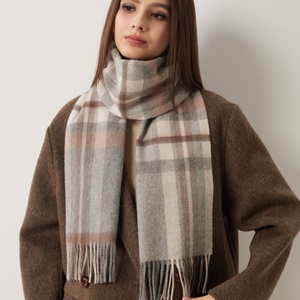
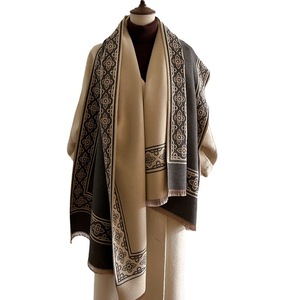
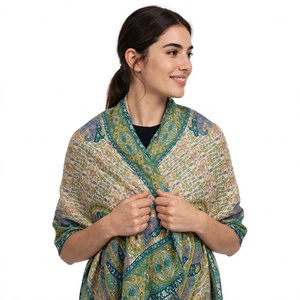
1. Executive Industry Overview: Global Home Textile & Cashmere Sourcing Landscape
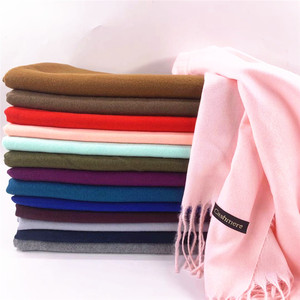
The global home textile and luxury accessory sector is experiencing a paradigm shift driven by consumer demand for sustainable luxury, radical supply chain transparency, and superior tactile performance. Sourcing executives and private label brands navigating the complexities of high-end home textiles—encompassing pure cashmere throws, worsted wool scarves, pashmina wraps, and luxury home wearables—require partners capable of merging traditional craft mastery with state-of-the-art automated manufacturing.
China and established Asian textile manufacturing hubs continue to dominate the premium market by offering unmatched technical integration. From raw fiber sourcing in Inner Mongolia to advanced weaving and finishing operations in specialized industrial zones, modern OEMs provide an end-to-end infrastructure that guarantees fiber purity, rigorous color fastness, and social compliance. As global brands optimize their supply chains against market volatility, contract manufacturing has evolved from simple cost arbitrage into a strategic alliance built on technical co-development, rapid prototyping, and zero-defect quality assurance.
Strategic Procurement Insight: Sourcing decision-makers must evaluate manufacturers not only on FOB unit pricing, but on total landed cost efficiency, fiber traceability (DNA tagging & GOTS/OEKO-TEX certification), and audited compliance standards such as SMETA 4-Pillar frameworks to safeguard brand equity.
2. Technical Material Engineering: Fiber Selection, Spinning & Weaving Metrics
Achieving the distinctive softness, thermal efficiency, and durability characteristic of high-end private label home textiles requires meticulous fiber grading. Raw cashmere harvested from the Capra Hircus goat is categorized based on micron count, fiber length, and color purity. Grade-A cashmere—measuring under 15.5 microns in diameter and exceeding 34mm in staple length—serves as the benchmark for luxury private label collections.
| Material Classification | Fiber Micron (µm) | Staple Length (mm) | Tensile Strength | Primary Product Application |
|---|---|---|---|---|
| Grade A Pure Cashmere | 14.5 – 15.5 µm | 34 – 38 mm | High (Worsted) | Luxury Throws, Worsted Scarves, Premium Hijabs |
| Grade B Fine Cashmere | 15.6 – 16.5 µm | 30 – 33 mm | Medium | Knit Blankets, Medium-Weight Winter Wraps |
| Merino Wool & Cashmere Blend | 17.5 – 19.5 µm | 55 – 65 mm | Very High | Heavy Knitted Throws, Commercial Home Accessories |
| Mulberry Silk & Cashmere Blend | 11.0 – 15.5 µm | Continuous Filaments | High | Lightweight Fashion Scarves, Summer Shawls, Headwear |
Worsted vs. Woolen Spinning Systems
Understanding yarn spinning methodology is crucial for private label technical specifications. Worsted spinning aligns fibers parallel before twisting, producing fine, crisp, high-density yarns (e.g., 2/60Nm to 2/120Nm) ideal for lightweight, pill-resistant scarves and refined home throws. Conversely, Woolen spinning retains natural fiber crimp and air pockets, resulting in loftier, fuzzier yarns (e.g., 2/26Nm to 2/28Nm) optimized for plush, heavy winter blankets and brushed tassel scarves.
3. Future Purchasing & Global Procurement Trends (2025–2030)
As the luxury textile sector evolves, global procurement directors must align their purchasing strategies with major macro trends reshaping international trade:
Supply Chain Traceability
Mandatory digital product passports (DPP) in the EU and North America require complete traceability from raw cashmere goat herding to final spinning and weaving.
Eco-Dyeing & Zero Water Discharge
Adoption of botanical dyes, supercritical CO2 waterless dyeing, and closed-loop liquid management compliant with ZDHC (Zero Discharge of Hazardous Chemicals).
Agile Low-MOQ Production
Shift towards flexible ordering models. AI-driven pattern cutting and automated warp-knitting enable custom colorways at lower minimum order quantities.
4. Enterprise Superiority & 8-Stage Quality Assurance Framework
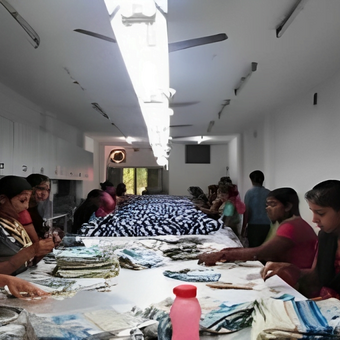
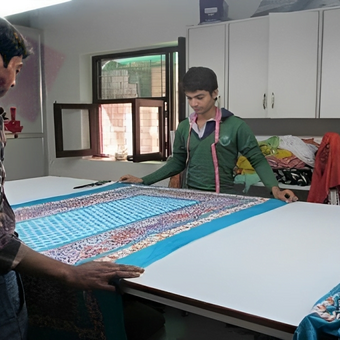
Quality assurance in home textile and cashmere export manufacturing requires rigid process execution. Operating out of audited manufacturing facilities, our production infrastructure utilizes an 8-stage quality control protocol that guarantees batch-to-batch consistency and zero defect rates upon delivery.
5. Enterprise Sourcing & OEM Procurement FAQ
Detailed technical responses to essential inquiries raised by global procurement officers, brand managers, and home textile buyers: