
Industry Insights & Manufacturing Knowledge
Expert guides, textile sourcing strategies, quality assurance tips, and international export trends from KK Fashion Exports.
Explore our top-performing export garments engineered with premium high-twist cotton yarns, GOTS-compliant dyes, and bespoke embroidery detailing.
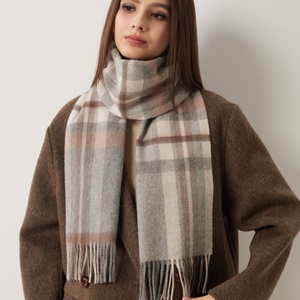
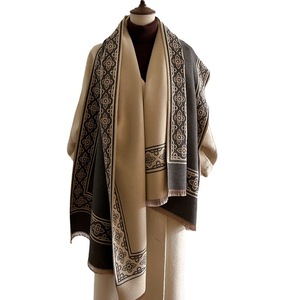
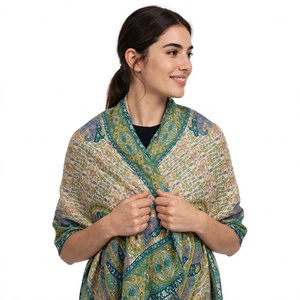
Understanding yarn twist physics, GSM weight optimization, and surface topology for high-performance apparel manufacturing.
Cotton crepe apparel occupies a distinct tier in the global fashion sector due to its unique structural drape and tactile elegance. Unlike standard flat-woven calicos or poplins, high-grade 100% cotton crepe fabrics rely on hyper-twisted yarns—often utilizing an alternating S-twist and Z-twist configuration exceeding 1,500 to 2,200 twists per meter (TPM).
When subjected to wet finishing and tensionless drying during manufacturing, these high-torque yarns relax, causing localized buckling that creates the iconic three-dimensional "puckered" crinkle surface. This micro-topography increases the effective surface area of the garment while drastically reducing skin-to-fabric contact points, fostering exceptional passive thermal regulation and air permeability.
A persistent technical challenge for apparel buyers is post-wash dimensional instability. Tier-1 exporters utilize Sanforization combined with continuous tensionless tumbler drying. This stabilizes the crinkle memory prior to cutting, restricting residual wash shrinkage to under 3.5% (ISO 6330 standard), eliminating consumer fit distortion.
Key shifts in supply chain diversification, eco-compliance, and digital manufacturing shaping wholesale apparel procurement.
International retailers are demanding full supply chain visibility from raw seed to final stitch. Global Organic Textile Standard (GOTS) certified cotton crepe ensures zero hazardous pesticides and strict water recyclability during the dyeing phase.
Fast-fashion iteration cycles require factories offering lower Minimum Order Quantities (200–500 pcs per style) combined with digital reactive printing to reduce inventory carrying risk and deadstock accumulation.
Rigorous ESG regulations in North America and the EU necessitate third-party factory audits. Procurement teams prioritize suppliers maintaining active SMETA 4-Pillar or BSCI certifications.
An objective comparative analysis of top global garment manufacturers evaluated on operational capacity, quality assurance, and compliance credentials.
| Rank / Manufacturer | Country | Annual Capacity | Standard MOQ | Lead Time | Key Certifications | Specialization |
|---|---|---|---|---|---|---|
| 1 KK Fashion Exports | India (Noida) | 2,000,000+ Pcs | 200 Pcs/style | 25-35 Days | SMETA 4-Pillar, GSTIN | Custom OEM Cotton Crepe, Resortwear & Embroidered Blouses |
| 2 TexProcil Certified Mills | India (Mumbai) | 5,000,000+ Pcs | 1,000 Pcs | 45-60 Days | ISO 9001, OEKO-TEX | Bulk Raw Woven Cotton & Grey Fabric Production |
| 3 Shaoxing Textile Hub | China (Zhejiang) | 10,000,000+ Pcs | 1,500 Pcs | 30-40 Days | ISO 14001, BSCI | Synthetic & Blended Poly-Crepe Tops |
| 4 Dhaka Apparel Exporters | Bangladesh | 8,000,000+ Pcs | 2,000 Pcs | 50-70 Days | ACCORD, WRAP | Basic Mass-Market Cotton Blouses |
| 5 Denizli Organic Apparel | Turkey | 1,500,000+ Pcs | 500 Pcs | 20-30 Days | GOTS, SEDEX | European Nearshore Organic Tops |
| 6 Danang Garment Joint Stock | Vietnam | 3,500,000+ Pcs | 1,000 Pcs | 40-50 Days | ISO 9001, SA8000 | Woven Shirts & Structured Tops |
| 7 Ahmedabad Handloom Works | India (Gujarat) | 800,000 Pcs | 300 Pcs | 30-45 Days | Craft Mark, Handloom | Artisanal Handloom Cotton Crepe Tunics |
| 8 Solo Textile Export Co | Indonesia | 2,200,000+ Pcs | 800 Pcs | 35-45 Days | OEKO-TEX Standard 100 | Batik Printed Crepe Tops |
| 9 Jaipur Block-Print & Crepe | India (Rajasthan) | 600,000 Pcs | 150 Pcs | 25-35 Days | GOTS Organic | Vegetable Dyes & Traditional Block Prints |
| 10 Alexandria Apparel Group | Egypt | 1,800,000+ Pcs | 1,000 Pcs | 30-40 Days | QIZ Certified, ISO 9001 | Egyptian Long-Staple Cotton Blouses |
Operating from a state-of-the-art facility in Noida, Uttar Pradesh, India, KK Fashion Exports has established itself as the trusted manufacturing partner for top-tier international clothing brands across Europe, North America, and the Middle East since 2003.
SMETA 4-Pillar Audited: 8 consecutive social & ethical audits completed (2017–2026) verified by URS Verification Private Limited.
Registered Export House: GSTIN: 07ACFPS8004B1ZW | IEC Code: 0503002534
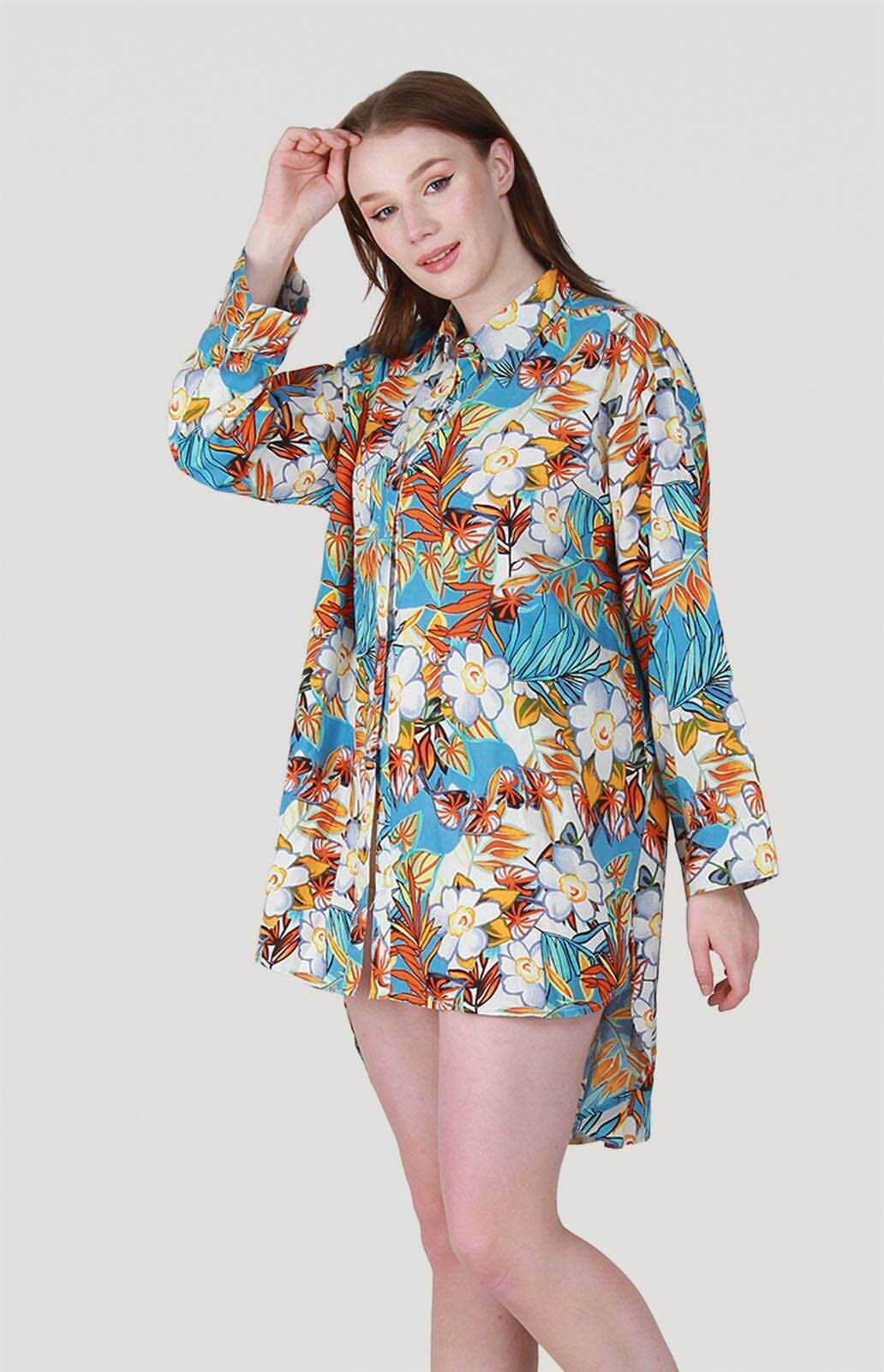
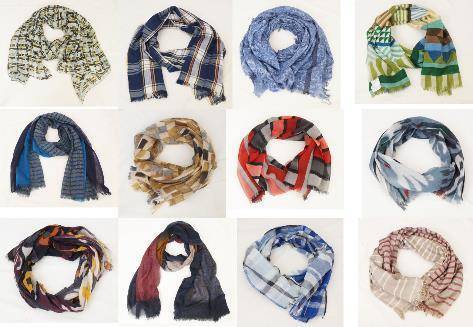
GSM verification, yarn count audit, and raw weave defect screening prior to dyeing.
Color fastness matching, screen clarity, and lab dip pantone verification.
Continuous roll inspection for shade variation, bleeding, and crinkle consistency.
Verification of lead-free buttons, nickel-free zippers, and reinforced care labels.
Fitting accuracy check, seam slippage testing, and measurement tolerance audit.
Random sampling during active assembly line to ensure consistent stitch density (SPI).
Steam ironing, loose thread vacuum trimming, and final stain audit.
100% metal detector machine pass followed by polybag sealing and master carton pack.
Expert technical answers addressing fabric selection, OEM customization, tariff management, and quality control.
For high-end spring/summer women's tops and tunics, the optimal fabric weight ranges between 90 GSM and 120 GSM. Lightweight crepe (90–100 GSM) delivers semi-sheer breathability ideal for resortwear, cover-ups, and layered tops. Mid-weight crepe (110–130 GSM) provides complete opacity for structured peasant blouses and casual button-down shirts without compromising thermal comfort.
Because crepe yarns feature elevated twist levels, uncontrolled washing causes severe relaxation shrinkage. Tier-1 exporters utilize a two-stage stabilization process: first, mechanical pre-shrinking via Sanforization, followed by continuous relaxation drying in a multi-pass loop tumbler. This locks in the crinkle dimension and guarantees less than 3% dimensional change after home laundering.
Yes. Both high-definition digital reactive printing and traditional flatbed screen printing yield exceptional results on cotton crepe. Reactive dyes form a direct covalent bond with the cellulose fiber, preserving vibrant color depth and high color fastness to washing (Grade 4+ on ISO 105-C06) without flattening the natural tactile crinkle texture.
Standard production cycles range from 25 to 35 calendar days following Tech Pack approval and lab dip confirmation. Sample development (proto-sample and strike-off) requires 7 to 10 days. Expedited air-freight options and greige fabric stocking programs are available for fast-turnaround replenishment orders.
Apparel brands sourcing internationally should require a SMETA 4-Pillar Audit (covering Labor Standards, Health & Safety, Environmental Management, and Business Ethics) or a BSCI audit. Additionally, fabrics should hold OEKO-TEX Standard 100 certification to ensure the absence of harmful chemicals, heavy metals, or carcinogenic AZO dyes.
Unlike polyester crepe (which is synthetic, non-breathable, and prone to static accumulation) or viscose crepe (which suffers from reduced wet strength and high water sensitivity), 100% long-staple cotton crepe offers superior moisture regain (8.5%), natural skin breathability, high mechanical durability, and complete biodegradability, positioning it as the premium choice for sustainable apparel lines.
Partner with India's leading SMETA-audited OEM exporter. Access over 3,000 ready patterns, rapid prototyping, and transparent door-to-door global logistics.