

Industry Insights & Manufacturing Knowledge
Expert guides, textile sourcing strategies, quality assurance tips, and international export trends from KK Fashion Exports.
Explore high-demand wholesale styles manufactured with precision 6A Mulberry silk and premium satin weaves.
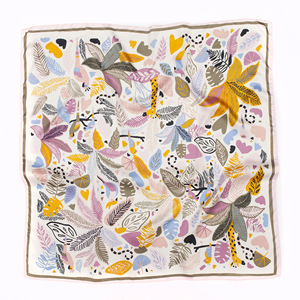
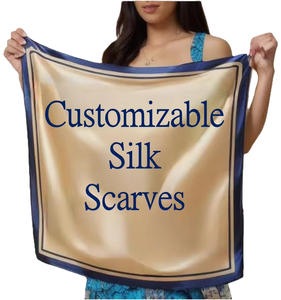
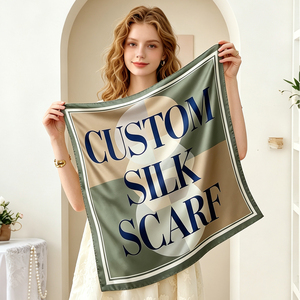
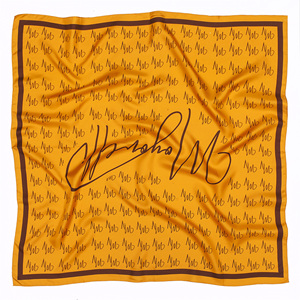
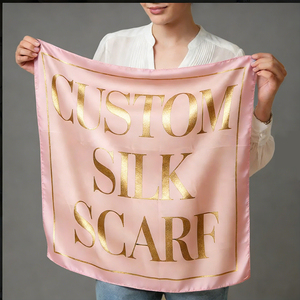
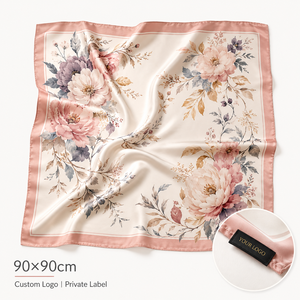
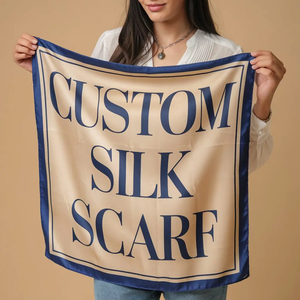
In the highly competitive luxury accessories market, sourcing high-grade custom printed silk square scarves requires a deep technical understanding of silk filament purity, weave density, ink penetration science, and ethical factory compliance. As international apparel brands and retail conglomerates shift from generic commodity sourcing toward differentiated OEM/ODM partnerships, evaluating factory technical capabilities becomes the primary factor in securing long-term brand equity.
This technical guide breaks down the core operational parameters of premier silk scarf manufacturing. Whether your procurement objective involves establishing high-density 16mm/18mm Mulberry silk twill product lines or implementing double-sided digital penetration printing for complex geometric artwork, understanding raw material grading, chemical safety compliance, and manufacturing tolerances is essential to mitigating supply chain risks.
Not all mulberry silk is created equal. High-tier luxury brands mandate 6A Grade long-strand raw silk, which exhibits a uniform tensile strength exceeding 4.2 g/d and a deviation factor under 0.5 denier. Utilizing sub-tier silk (4A or 5A) leads to surface pilling, uneven dye absorption, and reduced color brilliance after high-temperature steam setting.
Selecting the proper fabric substrate directly determines the drape, sheen, hand-feel, and longevity of the finished custom square scarf. Procurement managers must evaluate fabric selection based on structural weave characteristics and intended retail positioning.
| Silk Substrate Type | Standard Momme (mm) Weight Range | Weave Construction | Surface Finish & Texture | Optimal Brand Application |
|---|---|---|---|---|
| Silk Twill (Mulberry) | 12mm / 14mm / 16mm / 18mm | Diagonal Rib Weave (2/2) | Soft sheen, structured drape, rich tactile grip | Luxury Heritage Square Scarves (e.g., 90x90cm / 70x70cm) |
| Silk Satin / Charmeuse | 12mm / 16mm / 19mm / 22mm | Satin Weave (Floating Warp) | High-gloss front, matte back, ultra-liquid drape | Evening Foulards, Hair Wraps, Premium Pillowcases |
| Silk Habotai | 8mm / 10mm / 12mm | Plain Weave (1/1) | Lightweight, smooth, subtle luster | Summer Neckwear, Lining, High-end Promotional Collections |
| Silk Chiffon / Georgette | 6mm / 8mm / 10mm | Crepe Twist Plain Weave | Sheer, translucent, crinkled tactile depth | Lightweight Resortwear Shawls, Layered Square Wraps |
Momme (abbreviated as mm) is the imperial standard for measuring silk density and fabric mass. One momme equals 4.340 grams per square meter (g/m²). For classic 90cm x 90cm silk square scarves, a 16mm twill fabric provides an optimal equilibrium between structural drape and luxurious hand-feel, yielding approximately 68-72 grams per unit including hand-rolled hems.
The choice between digital inkjet reactive printing and traditional flatbed screen printing governs color fidelity, minimum order quantity (MOQ) flexibility, and unit production cost.
Utilizes high-resolution piezo-electric printheads (1440 DPI) spraying water-based reactive dyes directly onto pre-treated silk fabric. Ideal for complex multi-color artwork, fine gradients, and small batch runs (MOQ 30-50 pcs/design).
Advanced synchronized double-sided digital printing solves the traditional white-back issue on thick silk twill (16mm/18mm), achieving near 95%-100% color symmetry on both front and back faces.
Employs individual mesh screens per Pantone color reference. Highly economical for high-volume orders (500+ pcs per design) with solid spot colors and metallic pigment applications.
Edge finishing is a defining indicator of luxury quality. Below is an operational breakdown of edge finishing standards available in primary OEM/ODM factories:
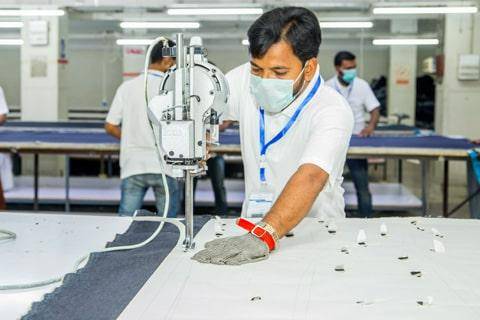
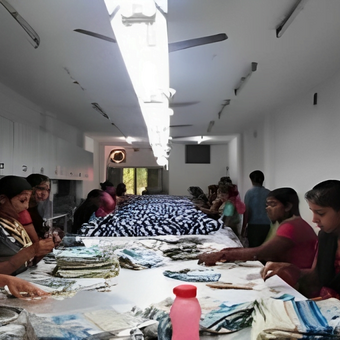
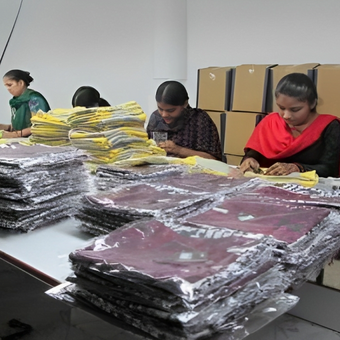
Leveraging over two decades of manufacturing excellence since 2003, our partner facility in Noida, Uttar Pradesh, serves as an end-to-end B2B production hub. Serving global fashion brands across 27 countries, the facility combines traditional handcrafting expertise with modern digital printing and rigorous social compliance protocols.
To maintain zero-defect delivery standards across global export shipments, every batch undergoes an unyielding 8-stage quality inspection framework prior to export dispatch:
Purity, yarn denier uniformity, and tensile strength check.
Sizing agent coating density and fabric moisture balance.
Spectrophotometer Pantone matching (Delta E < 1.0).
Continuous visual scanning for ink splatter and alignment flaws.
Locking reactive dyes into the silk protein structure.
pH neutralization and removal of unfixed surface dye residues.
Precision measurement (+/- 1cm tolerance) and stitch density check.
100% metal detection pass before moisture-sealed bagging.
Our production facility undergoes continuous third-party social compliance auditing (SMETA 4-Pillar verified by URS Verification Pvt. Ltd.), ensuring strict adherence to fair labor wages, workplace safety standards, environmental waste-water management, and ethical business conduct across all manufacturing tiers.
As consumer demand shifts toward sustainable luxury and rapid product iterations, fashion buying offices must align with factories capable of adapting to emerging technical and environmental shifts:
Next-generation digital printing platforms reduce water consumption by up to 80% during the washing phase, integrating eco-friendly closed-loop water purification compliant with ZDHC (Zero Discharge of Hazardous Chemicals) protocols.
Global fashion brands increasingly require OEKO-TEX Standard 100 Class I certification (safe for direct skin contact) and GOTS (Global Organic Textile Standard) certified organic Mulberry silk origin tracking from cocoon to finished garment.
Replacing traditional 6-month inventory commitments with agile 3-week micro-batch sampling and rapid re-order channels, reducing markdowns and inventory holding costs for private label retailers.
Evaluating initial FOB prices alone often masks hidden operational costs associated with high defect rates, late customs clearances, or poor packaging. The breakdown below details key risk factors and practical factory mitigation strategies:
| Procurement Risk Factor | Industry Impact Standard | Factory Technical Mitigation Strategy | Cost Benefit Outcome |
|---|---|---|---|
| Color Migration & Bleeding | Consumer returns due to washing damage | High-temperature steam fixing + color-fastness washing test (ISO 105-C06 Class 4-5) | 99.8% reduction in post-retail return rates |
| Dimensional Distortion | Square scarf skewing after hemming | Laser-guided square cutting along warp threads prior to hand-rolling | Guarantees exact 90cm x 90cm geometric symmetry |
| Customs Compliance Delays | Shipments detained due to chemical issues | REACH & OEKO-TEX 100 compliant non-azo reactive dyes with lab test documentation | Seamless import clearance across EU & North America |
| Supply Chain Bottlenecks | Missed seasonal product launch dates | In-house vertical silk yarn stocking & dual-line printing capacity | Guaranteed 18-25 day production lead times |
Below are expert technical answers to standard procurement and manufacturing questions asked by brand buyers and sourcing managers.
Elevate your brand's luxury accessory collection with high-precision digital printing, 6A Grade Mulberry silk substrates, and certified ethical factory craftsmanship. Request your custom sample kit and pricing quotation today.
Get a Quote