Industry Insights & Manufacturing Knowledge
Expert guides, textile sourcing strategies, quality assurance tips, and international export trends from KK Fashion Exports.
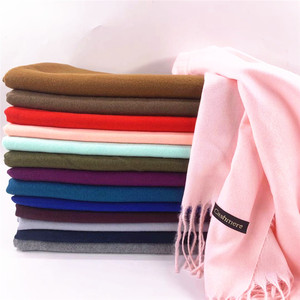
Precision-manufactured cashmere scarves, woven stoles, and luxury headwear engineered to international quality standards for global retail brands.
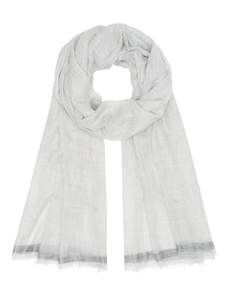
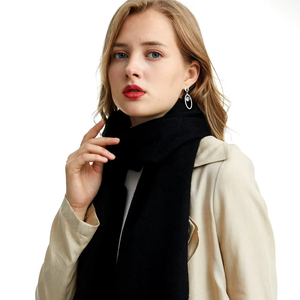
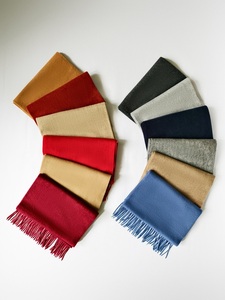
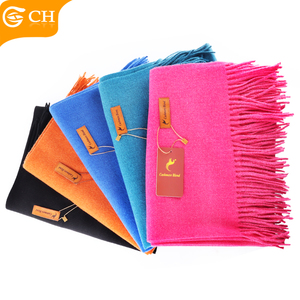
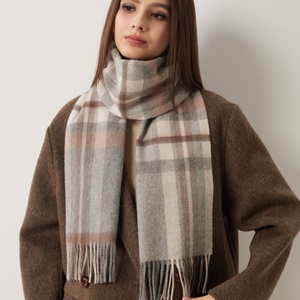
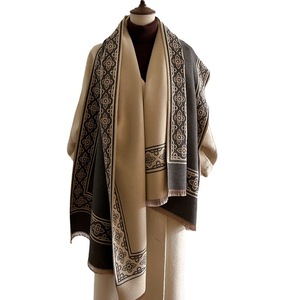
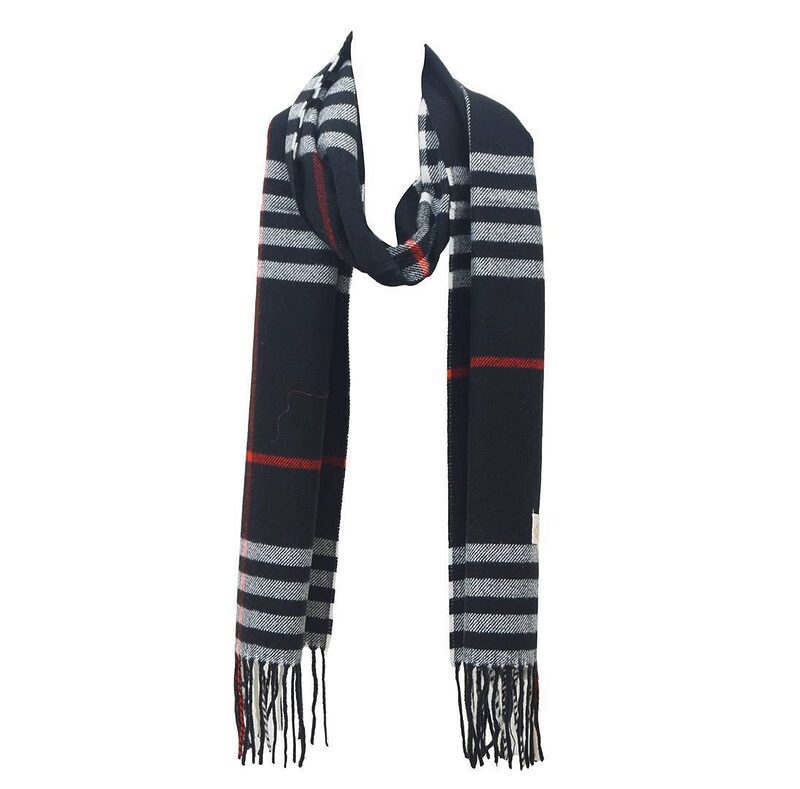
An empirical evaluation of supply chain metrics comparing direct OEM custom manufacturing against traditional wholesale middleman distribution channels.
| Strategic Metrics | Direct OEM/ODM Factory Sourcing | Intermediary Wholesalers | Industry Benchmark Impact |
|---|---|---|---|
| Fiber Purity & Traceability | 100% Guaranteed Lab-tested Cashmere/Wool blends | Mixed lot verification; high risk of synthetic dilution | Ensures brand protection & FTC compliance |
| Unit Cost Efficiency | Factory Direct Margin Elimination (30-45% cost savings) | Layered distributor markups + regional shipping taxes | Maximizes retail gross margins for buyers |
| Customization Elasticity | Full OEM/ODM (Bespoke weaves, digital print, custom trims & tags) | Fixed stock designs only; zero customization capability | Drives brand differentiation and seasonal exclusivity |
| ESG & Social Compliance | SMETA 4-Pillar Audited, Fair Wage System, Zero Child Labor | Unverified sub-contracting risks | Fulfills European & US retail sustainability mandates |
| Quality Control Lifecycle | Integrated 8-Stage Inspection (Raw fabric to final needle detection) | Random spot-checks at destination warehouse | Reduces return rates to under 0.15% globally |
Global luxury brands are enforcing stringent raw material traceability. Sourcing pure cashmere, GOTS-certified organic cotton, and mulesing-free worsted wool has transitioned from a niche premium to an industry baseline requirement. Advanced testing protocols, including DNA fiber profiling and isotopic origin verification, are now standard in high-end accessory manufacturing.
The migration from traditional screen printing to high-definition reactive digital printing allows fashion houses to execute complex, multi-tonal artwork with zero color limits. Modern digital printing penetration on cashmere-wool stoles delivers ultra-sharp pattern definition, minimal water consumption, and total ink penetration without compromising the natural tactile hand-feel of delicate fibers.
Regulatory frameworks in North America and Western Europe (such as the EU Corporate Sustainability Due Diligence Directive) demand uncompromised transparency. B2B buyers now mandate comprehensive third-party audits. Facilities with SMETA 4-Pillar certification ensure stringent adherence to labor standards, health & safety, environmental management, and business ethics.
Anticipating macro supply chain structural shifts to optimize procurement strategies, lead-time elasticity, and product differentiation.
The era of massive inventory carrying costs is drawing to a close. Modern retail brands utilize fast-testing models, launching limited edition capsules to evaluate market traction before committing to scale. Forward-thinking OEM factories must support low MOQ initial runs (down to 50–100 pieces per style) with rapid scalability, allowing brands to respond dynamically to viral social commerce trends and micro-seasons.
Future product development centers around innovative material blends. Combining cashmere with modal, Mulberry silk, micro-modal, or recycled thermoregulating fibers yields accessories that offer all-season versatility, improved tear strength, reduced pilling, and enhanced machine-washability while maintaining a soft, high-margin luxurious drape.
3D visual rendering and digital swatch simulation are replacing costly physical sampling iterations. By generating true-to-scale digital samples with realistic fabric drape algorithms, export manufacturers reduce sample turnaround times from weeks to 48 hours, significantly slashing prototyping waste and accelerating time-to-market.
Advanced computerized flatbed knitting technology enables 3D fully-fashioned garment and scarf production. By knitting complete forms without cutting fabric panels, textile factories eliminate edge-clip waste entirely, optimizing raw yarn utilization and delivering seamless, highly durable luxury finished goods.
Combining over two decades of export heritage with automated production machinery, ethical workforce governance, and industrial manufacturing capacity.
Noida (Delhi NCR) integrated manufacturing facility handling end-to-end accessory & garment production.
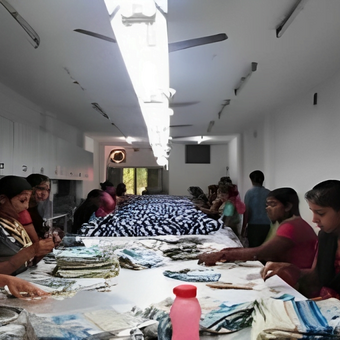
Skilled craftsmanship dedicated to intricate tassels, fringing, delicate hand-rolling, and embroidery details.
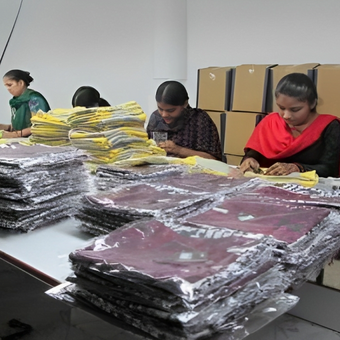
Under-light inspection, metal detection, and moisture-controlled packaging for seamless global export shipment.
Chemical and microscopic composition verification to ensure 100% pure cashmere/wool yarn content prior to weaving.
Spectrophotometer color matching and print accuracy approval against client-specified Pantone TPX/TCX standards.
Continuous inspection during weaving/printing to eliminate color bleeding, tension distortion, and misaligned screens.
All custom care labels, brand tags, zippers, and metal tassels undergo Lead-Free, Nickel-Free, and AZO-Free verification.
Checking thread tension, stitch density (SPI count), corner mitering, and fringe binding uniformity across all runs.
Mid-line Random AQL 2.5 sampling to detect and correct any emerging defects before items move to pressing and wash.
Automated vacuum trimming removes loose fibers, followed by controlled industrial steam pressing to set soft hand-feel.
100% passing through high-sensitivity conveyor metal/needle detectors before vacuum polybag sealing and master cartoning.
Detailed technical answers addressing common procurement inquiries, custom manufacturing specifications, compliance standards, and order logistics.
Our flexible OEM production architecture accommodates custom dyed or printed scarves starting at low MOQs of 100 to 300 pieces per style/colorway for stock yarn blends. For bespoke mill-spun custom yarn blend specifications or complex jacquard weaves, standard MOQs begin at 500 pieces. We also support multi-colorway allocations within a single master pattern order to optimize design variety for retail collections.
Every raw yarn batch undergoes quantitative fiber testing (ISO 17751-1 / ASTM D629 microscopic analysis) to confirm fiber diameter (typically 14.5 to 15.5 microns for premium cashmere) and fiber length. We provide certified laboratory test reports (SGS, Intertek, or ITS) with each bulk shipment, guaranteeing zero contamination from coarse sheep wool or synthetic fibers.
We provide comprehensive private label engineering: woven damask brand labels, printed care tags, satin composition labels, custom hangtags with barcoding/RFID integration, and bespoke luxury packaging (including custom printed gift boxes, bio-degradable polybags, and logo-embossed tissue wrap). All packaging meets international retail barcode scanning and retail-ready display requirements.
Digital strike-offs and lab dips are delivered within 5 to 7 business days. Pre-production physical samples take 10 to 14 days following design sign-off. Bulk export production averages 30 to 45 days depending on order volume and hand-finishing complexity. Expedited air-freight schedules or phased delivery arrangements are available for urgent seasonal retail launches.
Our manufacturing facility undergoes regular independent third-party audits and holds SMETA 4-Pillar accreditation (covering Labor Standards, Health & Safety, Environmental Assessment, and Business Ethics). We maintain a transparent fair-wage remuneration structure, strict anti-child-labor policies, zero forced labor, and continuous workplace safety upgrades compliant with international buyer codes of conduct.
All dyes, screen pigments, and reactive digital inks used in our facilities are 100% AZO-Free, Heavy Metal-Free, and REACH compliant. Our finished cashmere and wool scarves achieve Grade 4+ color fastness to washing, dry cleaning, rubbing (crocking), and light exposure in accordance with ISO 105 testing standards.
We provide flexible Incoterms based on your logistics strategy, including FOB (Free on Board), CIF (Cost, Insurance, and Freight), and complete DDP (Delivered Duty Paid) directly to your distribution center. Our export department handles all customs documentation, Certificate of Origin issuance (Form A / GSP), import tariff compliance, and freight forwarding to over 27 countries worldwide.
Yes. Our in-house technical design team specializes in transforming concept sketches, mood boards, or physical swatch references into production-ready vector CAD files, complete tech packs, colorway breakdowns, and detailed weave specifications. We bridge the gap between creative vision and factory floor execution.
Elevate your accessory line with lab-certified cashmere fiber purity, SMETA-audited ethical production, and direct-factory wholesale pricing. Connect with our technical engineering team today.