
Eco-Twill
Industry Insights & Manufacturing Knowledge
Expert guides, textile sourcing strategies, quality assurance tips, and international export trends from KK Fashion Exports.
Explore our GOTS, GRS, and OEKO-TEX certified apparel lines engineered for low-impact footprint, high performance, and rapid global OEM/ODM customization.
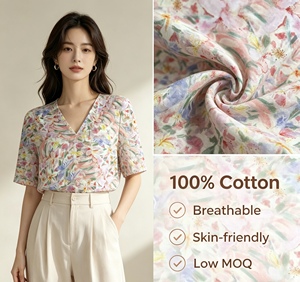
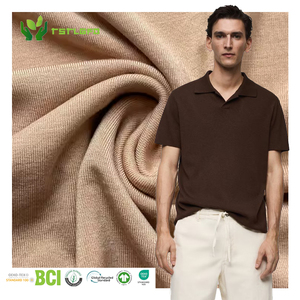
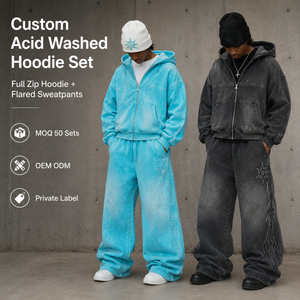
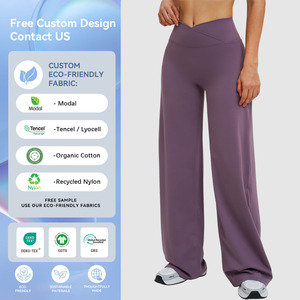
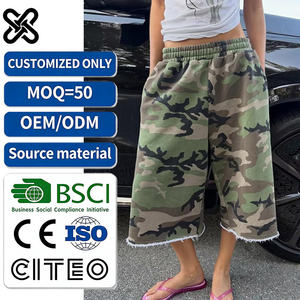
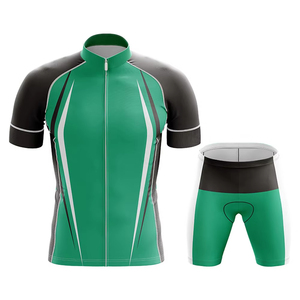

The global textile and fashion manufacturing landscape is undergoing an unprecedented structural transition driven by stringent EU ESG regulations, consumer demand for carbon accountability, and the global push toward circular economy models. Sourcing executives and fashion procurement directors looking for China’s best sustainable fabric clothing production manufacturers and suppliers are no longer merely looking for low-cost labor; they require absolute material traceability, verified environmental certifications, low-minimum order quantity (Low MOQ) agility, and closed-loop manufacturing protocols.
This industry analysis examines the technological capabilities, raw material innovations, quality control frameworks, and compliance standards that define top-tier eco-friendly garment suppliers in China. By bridging high-performance material science with ethical factory operations, modern apparel partners deliver significant Information Gain across the entire sourcing workflow—from fiber origin verification to end-of-life garment recyclability.
Sourced from sustainably managed wood pulp, processed with a 99.7% solvent recovery rate, yielding ultra-breathable, moisture-wicking fabrics with zero chemical runoff.
Cultivated without synthetic pesticides or GMO seeds. Uses 91% less water than traditional cotton while providing hypoallergenic, skin-friendly softness.
Post-consumer rPET recycled polyester and elastane blends derived from ocean-bound plastics, engineered for activewear elasticity and thermal durability.
With the implementation of the European Union’s Corporate Sustainability Due Diligence Directive (CSDDD) and Digital Product Passport (DPP) requirements, brands can no longer rely on unverified supply chain claims. Modern apparel manufacturing facilities in China must provide documented chain-of-custody verification at every transformation stage—from raw yarn spinning and knitting to low-impact dyeing, cutting, assembly, and final export clearance.
Selecting the optimal fiber blend is critical to achieving a balance between eco-performance, hand-feel, structural durability, and wholesale unit economics. Below is a technical comparison matrix outlining the core physical properties and sustainability scores of key eco-fabrics utilized in our OEM/ODM manufacturing lines.
| Fabric Blend Category | Core Fiber Composition | Breathability & Wicking | Tensile Strength / Pilling | Eco-Certifications | Target Garment Application |
|---|---|---|---|---|---|
| Organic Cotton Lyocell Twill | 60% Lyocell / 40% GOTS Cotton | Ultra-High (Moisture Vapor Transmission) | Grade 4.5 / Anti-Pilling | OEKO-TEX 100, FSC Wood Pulp | Childrenswear, Dress Shirts, Skirts |
| Combed Organic Plain Woven | 100% Organic Long-Staple Cotton | High (Skin-Friendly Natural Airflow) | Grade 4.0 / Pre-Shrunk | GOTS Certified, Fair Trade | Women's Blouses, Casual Dresses |
| Textured Eco-Knit Cotton | 100% Sustainable Cotton Knit | High (Textured Micro-Grid) | Anti-Pilling Quick-Dry Finish | OEKO-TEX Standard 100 | Men's Polos, Premium T-Shirts |
| GRS Recycled Poly Activewear | 82% rPET / 18% Recycled Spandex | High (Four-Way Stretch Hydrophobic) | Abrasion Resistant / High Elasticity | Global Recycled Standard (GRS) | Yoga Leggings, Sports Bras, Athleisure |
| Heavyweight Organic French Terry | 100% Organic Cotton Loopback | Medium-High (Thermal Comfort) | Grade 4.8 Heavyweight Durability | GOTS, ZDHC Dye Compliant | Streetwear Hoodies, Sweatsuits, Shorts |
Traditional fabric dyeing accounts for a massive proportion of global industrial water pollution. Our strategic production partner facilities employ advanced closed-loop water treatment systems and non-toxic, AZO-free reactive dyes that comply with Zero Discharge of Hazardous Chemicals (ZDHC) Level 3 guidelines. Water purification systems recycle up to 85% of process water back into the dyeing house, drastically reducing effluent impact and guaranteeing color fastness (Grade 4+ against washing and light exposure).
As international apparel brands revamp their sourcing playbooks to align with net-zero carbon targets, several key structural shifts are defining the next decade of garment manufacturing in China:
The traditional model of ordering 10,000 units per colorway leads to overproduction, excessive markdowns, and landfill waste. Modern sustainable suppliers offer flexible low MOQ production runs (starting from 100–300 pieces per style). This enables fashion brands to test capsule collections in real-time, react to consumer purchase data, and scale production seamlessly without capital tied up in deadstock inventory.
Future apparel shipments will require digital product passports accessible via dynamic QR codes embedded in garment care labels. Sourcing partners are integrating fiber-level micro-tracers and QR data systems that display the complete lifecycle journey of the clothing item—including cotton farm origin, spinning mill location, knitting batch energy metrics, and third-party audit reports.
While recycled plastics (rPET) offer an immediate solution, the industry is transitioning toward bio-based polyamides (derived from castor beans) and mono-material garment design. By designing garments with 100% single-fiber compositions (such as 100% Organic Cotton including threads and trims), products can be directly recycled end-to-end without mechanical fiber separation.
Combining decades of international B2B export experience with rigorous ethical factory management, our manufacturing setup provides global clothing brands with complete operational reliability. Every order—whether custom activewear, luxury loungewear, or woven organic garments—undergoes a comprehensive 8-stage quality control protocol prior to container dispatch.
Chemical composition analysis, fiber length verification, and raw mill defect screening before cutting.
Spectrophotometer color matching (Delta E < 0.5), print screen alignment, and ink adhesion testing.
Rigorous wash testing, rub fastness (dry/wet), and light fastness validation on bulk production runs.
Inspection of zippers, buttons, drawcords, and eco-labels to guarantee lead-free, nickel-free compliance.
Full 3D pattern checking, size spec verification, and seam strength testing before mass cutting.
Continuous line inspection to maintain uniform stitch density (SPI), clean hems, and accurate panel joining.
100% automated thread vacuum cleaning and dual-head needle detector machine scanning for consumer safety.
Randomized statistical sampling according to ISO 2859-1 standards before final export carton sealing.
We firmly believe that environmental sustainability must be matched by social responsibility. Our manufacturing hub is fully audited under SMETA 4-Pillar criteria (covering Labor Standards, Health & Safety, Environmental Management, and Business Ethics). We enforce a transparent fair wage system, safe ergonomic working conditions, non-discriminatory hiring, and complete workplace safety.
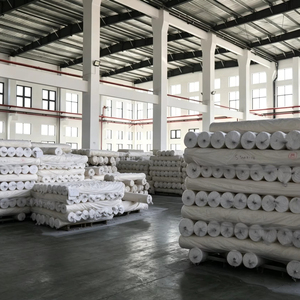
In addition, our facility houses over 3,000 ready patterns, in-house screen printing tables, computer-guided pattern cutting machinery, steam pressing stations, and dedicated warehousing space, providing a seamless door-to-door OEM/ODM production workflow for international clients.
Direct answers to crucial commercial, technical, and logistical questions for B2B buyers sourcing sustainable clothing from China.
Our flexible production facility supports Low MOQ orders starting at 100 to 300 pieces per style/colorway for ready eco-fabrics (such as organic cotton or stock GRS recycled fabrics). For custom-dyed or custom-developed yarn fabrications, standard MOQs range from 500 to 1,000 pieces.
Every batch of eco-fabric is supplied with official Scope Certificates (SC) and Transaction Certificates (TC) issued by accredited bodies such as Control Union or USB Certification for GOTS and GRS standards. Laboratory test reports for OEKO-TEX Standard 100 compliance are available for every shipment.
Proto-sample creation and size set development typically take 7 to 10 working days. Once tech packs and lap-dips are approved, bulk production requires 25 to 35 days depending on style complexity and fabric knitting/dyeing cycles. Air freight and sea freight logistics are managed door-to-door.
Yes, we operate as a full-service OEM/ODM manufacturer. Brands can provide custom tech packs, CAD sketches, size charts, custom woven labels, recycled hangtags, and biodegradable polybags. Our in-house pattern-makers generate precise digital grading for all sizes.
We utilize combed long-staple organic cotton yarns and singed Lyocell fibers combined with bio-washing enzymes. This ensures our fabrics achieve Grade 4.0+ anti-pilling resistance and superior color fastness after repeated industrial and domestic wash cycles.
Yes, we provide plastic-free packaging options including 100% compostable PLA polybags, recycled kraft paper hangtags, FSC-certified cardboard master cartons, and organic cotton care labels printed with soy-based ink.
Partner with China’s premier eco-friendly clothing manufacturer. Request fabric swatch cards, custom tech-pack evaluations, or instant B2B quotation pricing today.