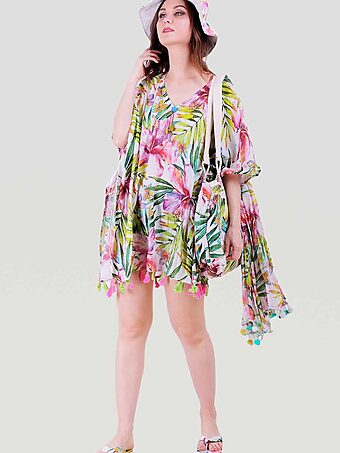
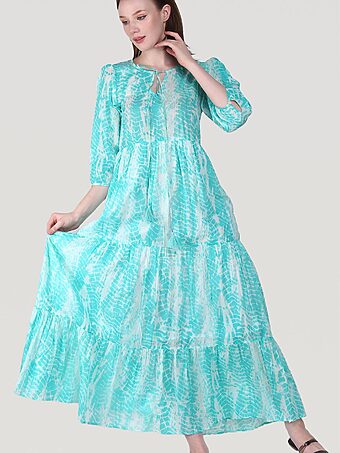
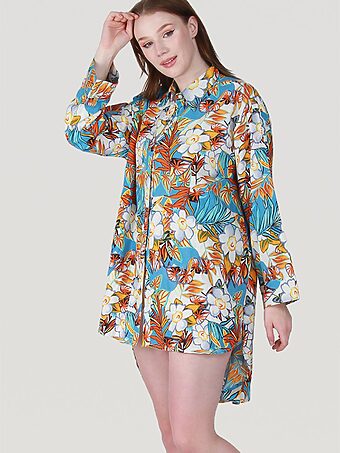
Industry Insights & Manufacturing Knowledge
Expert guides, textile sourcing strategies, quality assurance tips, and international export trends from KK Fashion Exports.
Explore our benchmark custom-crafted tops engineered for high fashion brands, boutiques, and global retailers. Click to initiate direct procurement discussions.
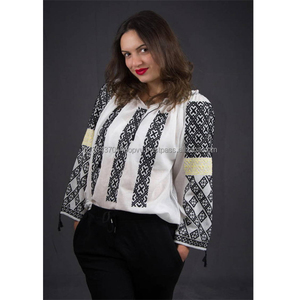
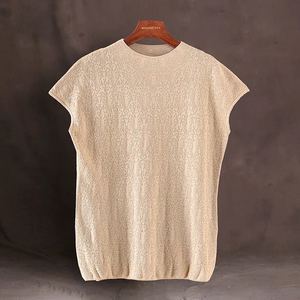
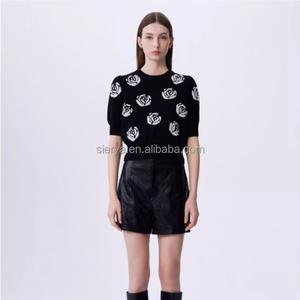
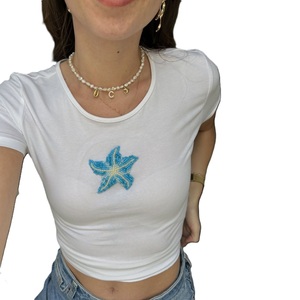
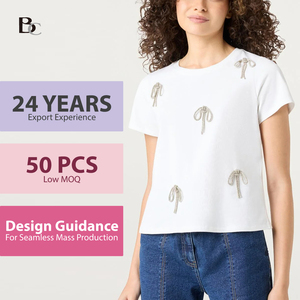
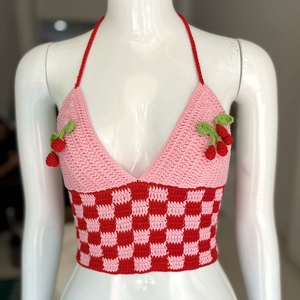
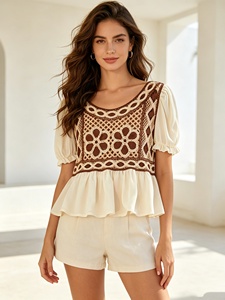
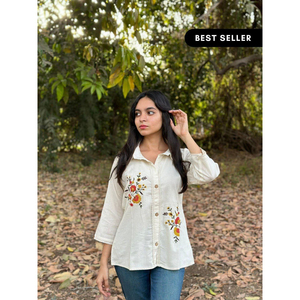
In the rapidly changing landscape of international apparel procurement, sourcing high-end handmade embroidery tops demands a balance between traditional needlework heritage and strict industrial quality control. Modern global fashion brands are moving away from mass machine-stitched clothing, seeking instead authentic texture, tactile depth, and distinct craftsmanship. China’s premium OEM and ODM embroidery manufacturers have evolved to meet this demand, combining centuries-old hand-stitching traditions with modern supply chain standards, SMETA social compliance, and precise tech-pack execution.
Whether sourcing intricate Romanian folk cross-stitch blouses, heavy seed-beaded crop tops, micro-crochet lace tunics, or delicate hand-embroidered silk vests, fashion buyers require manufacturers capable of guaranteeing scalable volume without sacrificing artisanal detail. This whitepaper provides a comprehensive technical guide for apparel purchasing directors, sourcing leads, and fashion brand founders looking to contract top-tier OEM embroidery factories in China.
Understanding the technical specifications of handmade needlework ensures accurate tech-pack development, predictable unit costing, and flawless physical samples.
Popularized by Eastern European peasant blouses, ethnic Romanian tunics, and traditional Ukrainian Vyshyvanka garments. Requires warp-and-weft counted thread embroidery on high-grade linen or khadi cotton base fabrics. Key inspection factors focus on uniform tension, flat back-side finishing, and thread colorfastness (Grade 4-5 under ISO 105-C06).
Requires specialized glass beads (11/0 or 15/0 sizing) and high-tensile filament threads (Nymo or Kevlar blends) to prevent strand snapping under stress. Common in luxury crop tops and evening wear. Structural reinforcements include double-anchored lock stitches every 3-5 beads and soft backing interlinings to protect skin from abrasions.
Combines open-knit crochet frameworks (cotton or silk-rayon blends) with raised bullion knot hand-embroidery. Essential for summer camisoles, lace short halters, and bohemian festival tops. Requires pre-shrunk yarns to maintain dimensional stability across home laundering cycles.
| Embroidery Technique | Primary Substrate Fabrics | Production Lead Time (1,000 pcs) | Key Technical Quality Indicators |
|---|---|---|---|
| Hand-Stitched Cross Stitch | Khadi Cotton, Linen, Cotton Voile | 25 - 35 Days | Count accuracy, zero fabric puckering, thread bleed resistance |
| Artisanal Seed Beadwork | Silk Satin, Mesh Tulle, Rayon Crepe | 30 - 40 Days | Tensile thread strength > 15N, smooth bead edges, secure lock-knotting |
| Bullion Knot & Rose Stitches | Knit Sweaters, Heavyweight Fleece | 20 - 30 Days | Dimensional relief depth (3D effect), washing durability, backing comfort |
| Cutwork & Open Crochet Lace | Organic Cotton, Bamboo Viscose | 25 - 35 Days | Edge fraying prevention, seam stretch elasticity, symmetrical motif spacing |
Combining handcrafted embroidery techniques with standardized industrial management ensures full supply chain transparency and consistent manufacturing quality.
Handmade products require stricter supervision than fully automated apparel lines. Premium OEM manufacturers implement a mandatory 8-stage QC protocol to eliminate flaws before export:
Top-tier OEM facilities house specialized equipment to handle both handcrafted work and bulk finishing within one seamless workflow:
Custom layout tables for hybrid print and embroidery bases.
Removes loose threads safely without snagging delicate hand embroidery.
Preserves stitch volume while removing wrinkles from cotton and silk tops.
Ethical labor practices, transparent wage structures, and safe factory conditions.
Beyond compliance, leading OEM factories operate under a transparent fair wage system for artisan embroiderers, supporting regional craftsmanship while maintaining traceable supply chains.
Key strategic insights for fashion buyers, brand managers, and sourcing directors preparing for upcoming retail seasons.
Consumer demand is driving shifts toward organic GOTS-certified cotton, Tencel, viscose crepe, and mulberry silk bases. Embroidery threads are increasingly specified as recycled polyester (rPET) or 100% organic unbleached cotton to reduce environmental impact.
To mitigate inventory risks, global fashion labels are leaning toward low-MOQ initial orders (100–300 pieces per style) coupled with rapid re-order capability. Modern OEM factories adapt by using digital sampling and modular artisan teams.
Integrating 3D CAD software allows brands to simulate hand-embroidery placement on virtual garments before cutting fabric. This reduces sampling rounds by up to 50%, speeding up approval timelines.
Answers to common operational, technical, and logistic questions when contracting OEM handmade embroidery production.
Standard OEM manufacturing MOQs for handmade embroidery tops range from 100 to 300 pieces per style/colorway. Because hand-stitching relies on individual skilled artisans rather than automated machine setups, smaller trial orders are often feasible compared to fully automated knitwear or woven operations.
Consistency is maintained using rigid paper or acrylic stencil tracing templates before hand-stitching begins. Artisans work over pre-marked guidelines applied using washable water-soluble tailors' ink. Furthermore, panel dimensions are checked during mid-line inspection before assembly.
Proto-sample development typically takes 7 to 10 working days upon receipt of artwork tech-packs. Once pre-production samples (PPS) are approved, bulk production takes 25 to 40 days, depending on embroidery stitch density and order volume. Express air freight adds 5–7 days, while sea freight takes 20–35 days depending on the destination port.
Each garment is individually packed in moisture-resistant polybags with tissue paper inserts protecting beaded or raised embroidery sections. Cardboard dividers prevent crushing, and cartons are sealed in waterproof outer wrapping for export transport.
Yes. Full OEM/ODM services include custom woven main labels, care labels, hangtags with barcodes, custom tissue wrapping, and branded polybags tailored to your retail branding guidelines.
Looking to launch custom embroidery tops, request production quotes, or review sample swatches? Connect directly with our engineering and procurement team today.