Manufacturers of Scarves, Shawls, Garments & Fashion Accessories from India  |  About Us  |  Contact Us
Garment Manufacturing & Apparel Industry Blog
Apparel Manufacturing & Export Insights
Textile Sourcing & Quality Control Blog

Industry Insights & Manufacturing Knowledge

Garment Manufacturing & Apparel Export Blog

Expert guides, textile sourcing strategies, quality assurance tips, and international export trends from KK Fashion Exports.

0%

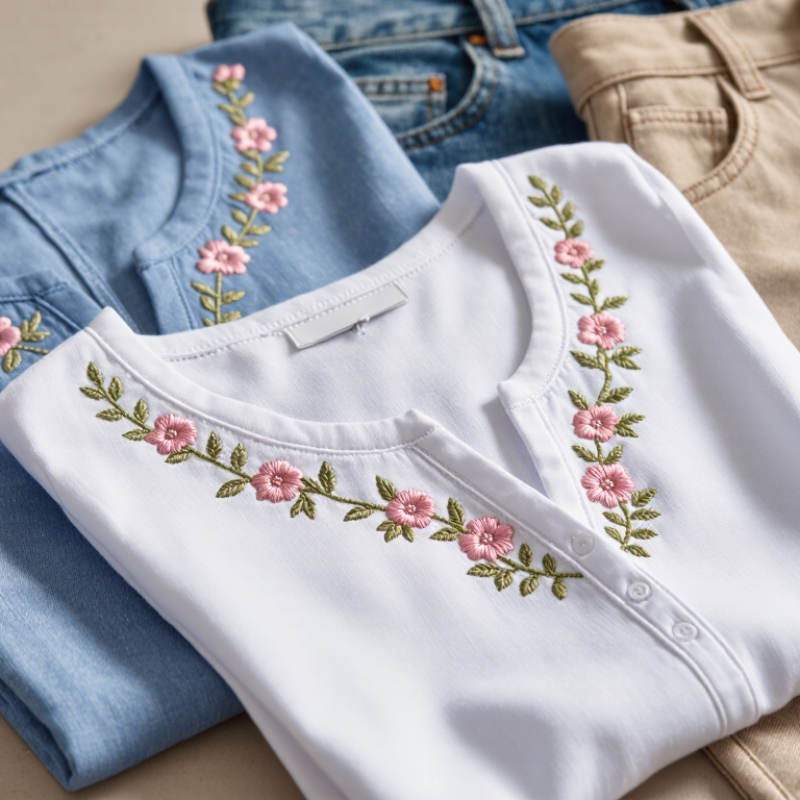
Cotton Embroidery Tops attract buyers because they balance familiar comfort with visible detail. Cotton feels breathable in everyday wear, while stitched patterns add texture without relying on printed graphics. A small floral motif near the collar, for example, can make a plain top feel considered. The effect is subtle. It is not magic.

Buyers often compare more than appearance. They check fabric weight, seam finish, embroidery placement, and how the top sits after washing. Dense stitching may look polished, but it can feel stiff if the backing is rough or the design covers a large area. A looser weave may drape softly, yet require gentler care. These trade-offs matter in real wardrobes, especially for people who wear the same favorite pieces repeatedly.

Cotton Embroidery Tops also suit many settings, from casual office outfits to weekend errands, depending on cut and styling. Pairing one with denim keeps the look relaxed; wearing it with tailored trousers makes the embroidery stand out more. Buyers should still read care labels and inspect product details, since cotton blends and stitching quality vary between makers. Product photographs can hide texture. That’s worth remembering.

The strongest reason to choose one is often the combination of comfort, craftsmanship, and personal style. Still, not every embroidered top will feel soft or last equally well. Checking fiber content, garment measurements, and close-up images helps set realistic expectations. A thoughtful purchase begins with the details. Like most clothing, it is a compromise.
Why Do Buyers Choose Cotton Embroidery Tops?

What Defines a Cotton Embroidery Top

A cotton embroidery top is usually made from cotton or cotton-rich fabric decorated with stitched designs. The embroidery may be worked directly into the fabric or added as a panel. Small floral stitches at a collar feel different from dense threadwork across the chest. Placement, thread thickness, and stitch density shape both appearance and comfort. Cotton often feels breathable and soft, though heavy stitching can make an area firmer. That detail matters. Motifs can be crisp and raised or almost flat, depending on the technique and thread used.

A practical inspection starts at the edges: loose threads, uneven spacing, or puckering may point to weak finishing. Turn the garment inside out. The reverse should feel reasonably smooth, especially where embroidery touches skin. Check the shoulder and underarm seams; dense stitching can pull as the arms move. A cotton label alone does not tell you about fit, lining, or how the top will wash. Follow the care instructions, since delicate stitching may need gentle handling. There is a trade-off: more embroidery adds texture, but can also add stiffness and weight. The fit may still be imperfect, so notice how the fabric moves when you raise your arms.

How Cotton and Embroidery Shape Comfort and Appearance

Cotton gives an embroidered top a soft, familiar base. Its breathable feel can help in warm weather, while the fabric’s surface holds thread clearly. In the Textile Exchange Materials Market Report 2024, cotton accounted for about 19% of global fiber production in 2023. That figure describes supply, not comfort, but it shows cotton remains a significant apparel fiber. In practice, fabric weight and weave matter too: a light cotton voile feels different from a dense poplin. Touch the inside. Rough stitches or bulky backing may irritate skin, especially around the neckline.

Embroidery shapes the look through texture, color, and placement. Small motifs near a collar add detail without covering much of the fabric; dense stitching across the chest creates a bolder, heavier finish. The thread can also pucker lightweight cotton if the design is too concentrated or the fabric is poorly stabilized. Not every embroidered top feels airy. Check the reverse side for scratchy knots, and look for smooth seams where the design meets the body. Cotton Incorporated’s 2023 Global Lifestyle Monitor reports that consumers value comfort when choosing clothing; this helps explain cotton’s appeal, though it does not guarantee a comfortable garment. Construction still decides. A softer lining and restrained stitch density often make the difference.

Which Practical Benefits Attract Buyers

Buyers often choose cotton embroidery tops for their familiar softness and easy everyday styling. Cotton absorbs moisture and allows airflow, which can help a top feel comfortable during regular wear. Embroidery adds raised texture and visual detail without needing extra accessories. Small construction details matter, though. Dense stitching can feel stiff, while rough backing may rub against the skin. Check the inside. It tells you a lot.

Textile Exchange’s Materials Market Report 2024 estimated that cotton production reached about 24.4 million metric tonnes in 2023, within 124 million tonnes of total global fibre production. That scale suggests cotton is widely available; it does not prove every top is comfortable or well made. For practical buying, inspect stitch density, seam finishing, and care instructions. Cotton is familiar to wash and pair with daily clothing, but embroidered areas may need a gentler cycle to protect the thread. Some tops can shrink. That is easy to overlook. Choose a fit with a little room, and check whether the embroidery feels smooth from the inside.

How Styling Versatility Influences Purchase Decisions

A cotton embroidery top can move from a weekday outfit to a relaxed dinner without a full change. Pair it with straight-leg jeans and sneakers, then swap in a midi skirt and simple earrings. The embroidered neckline adds texture, while breathable cotton suits warm afternoons and layered looks. Small details matter: a loose sleeve can sit comfortably under a cardigan, but dense stitching may feel stiff against the skin.

Styling flexibility can make a purchase feel more useful, though it is not guaranteed.

Cotton Incorporated’s 2023 Global Lifestyle Monitor reported that 77% of consumers named cotton their favorite fiber.

Textile Exchange’s Materials Market Report 2024 estimated cotton made up about 20% of global fiber production in 2023.

These figures describe preference and supply, not proof that every embroidered top earns a place in someone’s wardrobe. That distinction matters. Buyers may picture three outfits, then discover the hem only works with high-rise trousers. Check fabric weight, lining, and embroidery placement before choosing. A simple white top with small chest stitching may pair easily with denim, tailored pants, or shorts; oversized embroidery can be harder to layer. Not every detail needs to match. Sometimes, it just needs to feel comfortable.

What Buyers Consider Before Choosing a Cotton Embroidery Top

Before choosing a cotton embroidery top, buyers should look beyond the pattern. Check the fabric weight against its intended use. A lightweight cotton may feel cool, but it can show through under bright light. Hold a sample near a window. Feel the embroidered area from both sides. Dense stitching can look polished, yet a stiff backing may rub against the skin. Small details matter.

Fit and construction deserve equal attention. Compare the garment measurements with a well-fitting top, rather than relying on size labels alone. Check the shoulder seams, sleeve openings, and hem for straight stitching. Pull gently at the embroidery. Loose threads or puckering can signal uneven workmanship. Not every flaw is obvious in a product photo.

Care requirements can affect long-term value. Cotton may shrink or wrinkle, and embroidery can need gentler washing than the fabric itself. Ask whether the top has been prewashed, then wash a sample according to its care instructions. Let it dry and check the fit, color, and stitching again. It is not a perfect test. Still, it can reveal surprises before a larger order. Buyers should also confirm that samples and bulk production use comparable fabric and embroidery specifications.

Why Do Buyers Choose Cotton Embroidery Tops? — What Buyers Consider Before Choosing a Cotton Embroidery Top
Buying Consideration Why It Matters What Buyers Should Check Practical Trade-Off
Fabric composition Cotton is a natural, breathable fiber that many buyers find comfortable for everyday wear, especially in warm conditions. Check the fiber-content label. A garment described as cotton may also contain other fibers, which can change its feel, drape, and care needs. Pure cotton can wrinkle and may shrink if washed or dried improperly. Blends may wrinkle less but feel different against the skin.
Embroidery quality Embroidery adds texture and visual detail, making a simple top feel more distinctive. Look for secure stitching, even coverage, and a smooth reverse side. Loose threads or puckering may indicate poor finishing. Dense embroidery can make an area heavier or less flexible than the surrounding fabric.
Comfort against skin Thread ends, backing, and raised stitching can affect comfort, particularly on the inside of the garment. Check whether the embroidery backing feels soft and whether seams or decorative stitching sit where they may rub. A highly detailed design may look attractive but feel less comfortable in areas that touch the skin directly.
Fit and garment construction A suitable fit helps the top move comfortably and allows the embroidered design to sit as intended. Review the size chart, garment measurements, sleeve shape, and shoulder construction. Consider how the fabric falls when worn. Cotton fabric generally has limited stretch unless blended with an elastic fiber, so the cut matters for ease of movement.
Design and versatility Embroidery can provide a focal point while still pairing with simple trousers, skirts, or jeans. Consider the placement, colors, and scale of the embroidery, along with whether the design suits the occasions and outfits you have in mind. Bold or delicate embroidery may be less versatile than a small, neutral design, depending on personal style and wardrobe.
Care requirements Washing and drying choices affect both cotton fabric and decorative stitching. Read the care label. Follow its instructions for water temperature, washing method, drying, and ironing; turn the top inside out when appropriate. Some embroidered tops need gentler handling or ironing on the reverse to help protect the stitching.
Color and durability Buyers often want the fabric and embroidery colors to remain attractive through regular wear and care. Inspect the fabric for consistent coloring and the embroidery for firmly secured threads. Follow care guidance to reduce fading and wear. Colorfastness varies by dye, fabric, and care conditions, so it should not be assumed from appearance alone.
Price and value Price may reflect fabric, embroidery density, construction, and finishing—not simply the amount of decoration. Compare fabric details, stitching quality, fit, care instructions, and expected frequency of wear. A lower price may suit occasional use, while durable construction and a versatile design can matter more for frequent wear.

FAQS

Why do cotton embroidered tops often feel comfortable?

Cotton feels familiar, breathable, and soft against the skin. Fabric weight and weave still matter.

Can every embroidered cotton top feel airy?

No. Dense stitching or bulky backing can make it feel stiff or warm.

What should I check inside the top?

Look for rough knots, scratchy backing, and uneven seams. Check the reverse.

How does embroidery change a top’s appearance?

Small collar motifs add subtle detail, while dense chest stitching creates a bolder look. It can also feel heavier.

Can embroidery cause cotton fabric to pucker?

Yes, concentrated stitching may pull lightweight cotton, especially if the fabric is poorly stabilized. The finish may look uneven.

What details are useful to inspect before buying?

Check stitch density, seam finishing, and care instructions. Feel the embroidery from the inside, too.

How should I care for embroidered areas?

A gentler wash cycle can help protect the thread. I sometimes overlook the care label, and that can be a mistake.

Should I choose a looser fit?

A little extra room may help account for possible shrinkage. Cotton varies, so it is not a guarantee.

Conclusion

Cotton Embroidery Tops combine the natural softness and breathability of cotton with the decorative detail of embroidered designs. This pairing creates garments that feel comfortable for everyday wear while adding texture and visual interest. Depending on the fabric weight, stitching, and cut, they can offer a relaxed feel, a polished appearance, or a balance of both. Practical features such as easy care, lightweight comfort, and suitability for different seasons can make these tops appealing to a wide range of buyers.

Their styling versatility also influences purchase decisions: they can be paired with jeans for a casual outfit or dressed up with skirts and tailored pieces. Before choosing a top, buyers may consider fit, fabric quality, embroidery placement, stitching durability, color, and how easily the piece will coordinate with their existing wardrobe. A thoughtful choice can provide comfort, distinctive style, and lasting usefulness.

Seraphina

Seraphina

Seraphina is a dedicated marketing professional with a strong understanding of business strategy, customer engagement, and digital communication. As a key contributor to our company, she regularly updates the corporate blog with practical, well-researched articles that help readers understand......