Manufacturers of Scarves, Shawls, Garments & Fashion Accessories from India  |  About Us  |  Contact Us
Garment Manufacturing & Apparel Industry Blog
Apparel Manufacturing & Export Insights
Textile Sourcing & Quality Control Blog

Industry Insights & Manufacturing Knowledge

Garment Manufacturing & Apparel Export Blog

Expert guides, textile sourcing strategies, quality assurance tips, and international export trends from KK Fashion Exports.

0%

Global buyers need more than attractive photographs when sourcing Wholesale Beach Dresses. They need reliable sizing, consistent fabric quality, clear minimum order quantities, and delivery timelines they can plan around. A sample may feel soft in the showroom, yet behave differently after washing or long hours in the sun. Small details matter.

Fashion educator Tim Gunn is known for the advice, “Make it work.” For buyers, that means matching each supplier’s strengths to a real market, not chasing a single perfect option. This guide compares ten wholesale suppliers through practical considerations, including product range, customization, communication, and ordering flexibility. These details can shape both customer satisfaction and seasonal sales.

No supplier suits every business. Some buyers prioritize low minimums; others need larger production capacity or distinctive prints. A polished catalog is useful, but it cannot confirm every production detail. Ask for current specifications, samples, and written terms before committing. That extra step takes time. It can also reveal gaps this overview cannot settle. Use the supplier list as a starting point, then verify fit, fabric, pricing, and timelines against your own requirements.
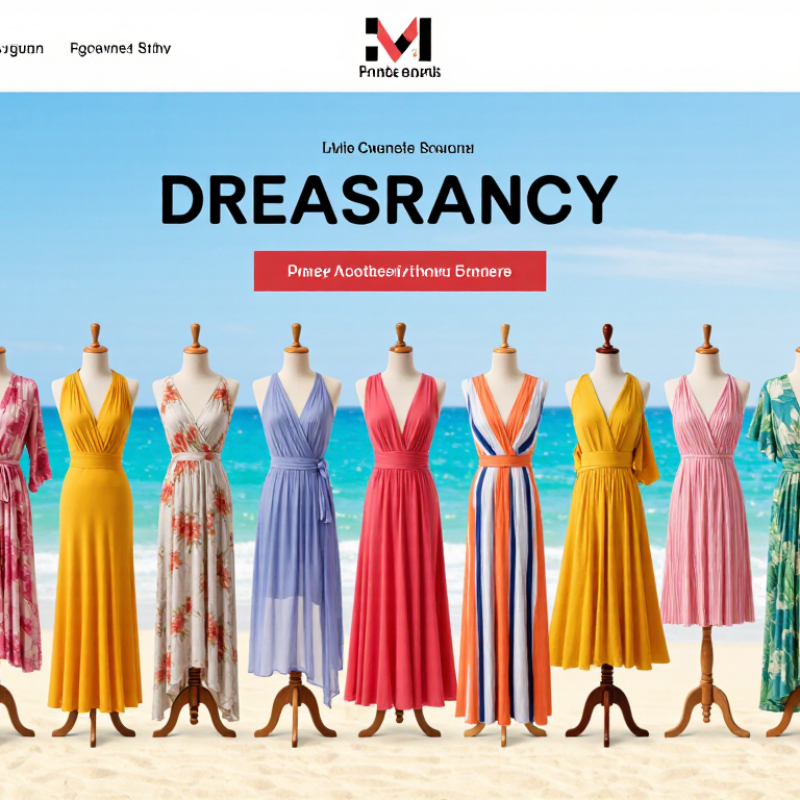
Top 10 Wholesale Beach Dresses Suppliers for Global Buyers

Understanding the Global Wholesale Beach Dress Market

The global wholesale beach dress market follows travel seasons, warm-weather demand, and changing retail calendars. Buyers often plan orders months ahead, but local climates can shift sales windows. Demand is seasonal. Lightweight cotton, rayon, and linen blends suit hot days, while quick-drying fabrics may work better near pools or shorelines. Fabric names alone are not enough; weight, opacity, shrinkage, and seam strength matter. Ask for samples and check them in daylight. Fit matters. A loose cover-up can still disappoint if its armholes pull or its hem twists after washing.

Wholesale buyers also balance price, minimum order quantities, lead times, and size consistency. A low unit price may lose its appeal when colors vary between batches or cartons arrive late. Request a clear size chart, fabric details, care instructions, and a written production timeline. Small details count. Check whether prints align across seams and whether buttons or ties feel secure. Regional preferences differ, so one silhouette rarely suits every market. It is tempting to forecast from last summer’s sales, but that can be a shaky shortcut. Compare past sell-through with current customer feedback, then test a modest range before committing to larger quantities. Suppliers may describe products differently, so verify measurements and sample quality yourself.

Criteria for Evaluating Beach Dress Suppliers

Evaluating beach dress suppliers takes more than comparing prices. Check fabric weight, opacity, and how the material feels after washing. A lightweight dress should still offer enough coverage in bright sunlight. Ask for samples in several sizes, then compare measurements with the supplier’s chart. Stitching around the neckline and hem deserves a close look. Small details matter. A polished sample can still hide inconsistent bulk production, so request a clear inspection process and written tolerances.

Confirm minimum order quantities, production timelines, and available color options before planning a seasonal launch. Ask how the supplier handles defects, late shipments, and changes to an order. Reliable communication is practical evidence: do answers arrive clearly, and do they include dates or measurements? Request relevant fabric specifications and quality records, but verify that they match the actual sample. One successful sample is not proof of consistency. I would keep that in mind, even when the price looks attractive.

Tips: Wash and air-dry a sample before approving it; beachwear may face salt, sunscreen, and repeated packing. Test seams by gently stretching them, and note any twisting or color transfer. Keep approval photos, size measurements, and agreed delivery dates in one file. Ask for a pre-shipment check on a small selection of units. It adds time, but can reveal issues before cartons arrive.

Profiles of 10 Wholesale Beach Dress Suppliers

A coastal cut-and-sew factory may offer cotton beach dresses with adjustable straps and reinforced seams. Request a sample before discussing volume. An established resortwear wholesaler often carries ready-to-ship cover-ups in several colors, though seasonal stock can change quickly. A linen-focused supplier can provide airy, textured dresses; ask for fabric weight and shrinkage details. A crochet specialist may sell open-knit styles with lining options. Check stitch consistency and how the garment feels against skin.

A print-house supplier can develop floral or geometric patterns across coordinated styles. Confirm colorfastness with a wash test. A small-batch workshop suits buyers testing new silhouettes, but its minimum order may still stretch a modest budget. A curve-size wholesaler should provide garment measurements, not just size labels. Grading can vary. An export-oriented private-label supplier may handle custom labels and packaging; clarify sample approval and production timelines in writing.

An off-price stocklot distributor can offer mixed designs at reduced quantities, but sizes and colors may be uneven. An online wholesale consolidator brings multiple factories into one ordering channel, which can simplify sourcing while adding another communication layer. Across all ten profiles, compare fabric swatches, seam finishing, size charts, and reorder availability. A polished sample helps, but it does not guarantee every bulk piece will match.

Top 10 Wholesale Beach Dresses Suppliers for Global Buyers - Profiles of 10 Wholesale Beach Dress Suppliers

These are anonymized supplier-type profiles, not named companies or a verified ranking. Capabilities, prices, minimum order quantities, lead times, and certifications vary by supplier and should be confirmed directly before ordering.

Profile Supplier Type Typical Beach Dress Range Common Materials Potential Buying Fit Details to Confirm
01 Beachwear-focused manufacturer Cover-ups, kaftans, tunics, and lightweight beach dresses Cotton, viscose, polyester, and blended woven fabrics Buyers seeking a concentrated beachwear assortment or coordinated seasonal styles Available fabrics, size range, sample process, MOQ by style and color, and production lead time
02 Resortwear cut-and-sew producer Maxi dresses, shirt dresses, relaxed resort dresses, and cover-ups Cotton, linen blends, viscose, and lightweight synthetics Retailers looking for varied silhouettes suitable for beach and resort collections Pattern development, grading, finishing options, order minimums, and inspection procedures
03 Swimwear factory with cover-up production Sheer tunics, wrap skirts, mesh dresses, and matching cover-ups Polyester mesh, nylon blends, viscose, and lightweight knits Buyers planning to merchandise dresses alongside swimwear Fabric opacity, colorfastness, fit testing, care-label requirements, and compatibility with swimwear production schedules
04 Crochet and handwork specialist Crochet dresses, open-knit cover-ups, lace panels, and embroidered styles Cotton yarn, synthetic yarn, and mixed-fiber yarns Collections that emphasize texture, artisanal-looking details, or openwork designs Stitch consistency, labor capacity, yarn composition, garment measurements, and production time for handwork
05 Natural-fabric casualwear producer Loose-fit cotton dresses, linen-look styles, and simple beach shirts Cotton, linen, and cotton-linen blends Buyers prioritizing breathable casual styles and straightforward silhouettes Exact fiber content, fabric weight, shrinkage, color variation, and any claims about fiber origin
06 Print-focused garment supplier Printed kaftans, floral maxi dresses, patterned tunics, and pareo-style dresses Viscose, polyester, cotton, and other printable fabrics Businesses seeking seasonal patterns, coordinated color stories, or custom artwork Print method, artwork ownership, strike-off approval, color matching, repeat size, and print durability
07 Private-label OEM/ODM producer Custom beach dresses developed from buyer designs or supplier samples Material depends on the approved design and fabric specification Brands and retailers requiring custom labels, packaging, patterns, or product specifications Development charges, sample revisions, specification ownership, labeling compliance, MOQ, and approval milestones
08 Ready-stock wholesale distributor In-stock seasonal cover-ups, casual dresses, and basic beach styles Varies by available stock and product listing Buyers needing to assess available inventory before committing to a production run Live stock quantities, size and color availability, restock policy, dispatch time, and return terms
09 Export-oriented sourcing and trading supplier Assorted beach dresses sourced from one or more production facilities Varies by factory, style, and sourcing specification Importers seeking help coordinating product options, sampling, or export documentation Manufacturing location, factory oversight, itemized costs, inspection arrangements, and responsibility for documentation
10 Lower-impact-material-focused supplier Beach dresses made with specified recycled or other preferred materials, where available Material depends on the offered collection and verified specification Buyers with documented material requirements or sustainability-related sourcing policies Fiber composition, transaction-specific supporting documents, certification scope and validity, and chain-of-custody evidence

Comparing Supplier Prices, Minimum Orders, and Product Ranges

A supplier comparison should start with the delivered cost, not just the price shown per dress. A lightweight cotton cover-up may cost more than a polyester style, yet offer better breathability and finish. Ask for price breaks at several order quantities. Check whether quotes include packaging, sample fees, and shipping estimates. The cheapest quote can be misleading.

Minimum order quantities affect both cash flow and assortment planning. A smaller MOQ can help test prints and sizes without filling a storeroom. But a low threshold may come with a higher unit price or limited color choices. Confirm size runs, fabric composition, available measurements, and reorder requirements before comparing offers. Get these details in writing.

Product range matters when buyers need more than one silhouette. Check whether suppliers offer kaftans, wrap dresses, maxi styles, and plus-size options in coordinated fabrics. Request recent photos and a physical sample where practical; screen images can hide thin fabric or uneven stitching. Catalogues can look fuller than stock reality. Ask which styles are ready to ship and which require production time. My comparison would still be imperfect without testing wear and wash performance, so treat sample checks as part of the cost, not an optional extra.

Planning International Orders, Shipping, and Quality Checks

Wholesale beachwear orders can look simple until sizes, colors, and delivery dates cross borders. Compare suppliers by more than quoted price: request a size chart, fabric composition, available color options, and a clear production schedule. Ask whether the quoted amount includes packaging and what minimum order applies to each style. Small details matter.

Before confirming an international order, agree on the delivery term, shipping method, and who arranges export documents. Ask for a carton plan with dimensions and gross weight; these figures help your freight provider estimate costs. Build extra time into the schedule for production, port handling, and possible transit delays. A promised arrival date is not always a dependable one.

Quality checks should happen before bulk production and again before shipment. Request a sample, then inspect stitching, fabric feel, color consistency, and measurements against your approved specifications. For larger orders, arrange an independent inspection or ask for dated photos of random pieces from several cartons. Keep written records of approvals and any agreed corrections. It can feel excessive for a small first order, but skipping checks may create more work later. A useful supplier will answer questions clearly, though one sample cannot reveal every production issue.

FAQS

What should I check in a beach dress sample?

Check fabric weight, opacity, and feel. Look closely at the neckline and hem stitching. Wash and air-dry it before approval.

How can I assess whether a supplier’s sizing is reliable?

Request samples in several sizes. Compare their measurements with the supplier’s size chart. Keep the results in writing.

Why shouldn’t I choose a supplier by unit price alone?

The quote may exclude packaging, sample fees, or shipping. Compare delivered costs and ask for price breaks at different quantities. Cheap can mislead.

What does a low minimum order quantity mean for buyers?

A lower minimum can help test prints and sizes without filling storage space. It may also mean higher unit prices or fewer color options.

How can I check whether a supplier’s product range suits my needs?

Ask about kaftans, wrap dresses, maxi styles, and plus-size options. Request recent photos and physical samples when practical. Catalogues can overpromise.

What details should I confirm before placing an international order?

Agree on delivery terms, shipping method, and responsibility for export documents. Request carton dimensions and gross weight for freight estimates.

How can I reduce quality problems in a bulk order?

Approve a sample before production. Arrange checks before shipment, including measurements, stitching, and color consistency. One sample proves little.

What should I do if production or shipping dates seem uncertain?

Ask for a dated production schedule and clear updates. Allow extra time for handling and transit delays. I would still keep a buffer.

Conclusion

This guide explores the global wholesale beach dress market, highlighting demand for versatile styles, seasonal collections, and suppliers able to serve buyers across different regions. It explains how to evaluate potential suppliers by reviewing product quality, fabric and sizing options, communication, production capacity, and consistency. Profiles of ten supplier types offer a practical starting point for comparing the range of Wholesale Beach Dresses available, from lightweight everyday cover-ups to more detailed vacation styles.

The guide also outlines how to compare prices, minimum order quantities, customization options, and product ranges before making a purchasing decision. For international orders, buyers should plan lead times, confirm shipping arrangements, clarify payment and documentation requirements, and account for possible delays. It also recommends requesting samples, checking construction and measurements, and agreeing on quality standards before production. These steps can help buyers choose suppliers more confidently and manage orders efficiently.


Elara

Elara

Elara is a highly skilled marketing professional dedicated to helping businesses understand the value, performance, and practical applications of our company’s products. With a strong background in market research, content strategy, customer communication, and product education, Elara transforms......