Manufacturers of Scarves, Shawls, Garments & Fashion Accessories from India  |  About Us  |  Contact Us
Garment Manufacturing & Apparel Industry Blog
Apparel Manufacturing & Export Insights
Textile Sourcing & Quality Control Blog

Industry Insights & Manufacturing Knowledge

Garment Manufacturing & Apparel Export Blog

Expert guides, textile sourcing strategies, quality assurance tips, and international export trends from KK Fashion Exports.

0%

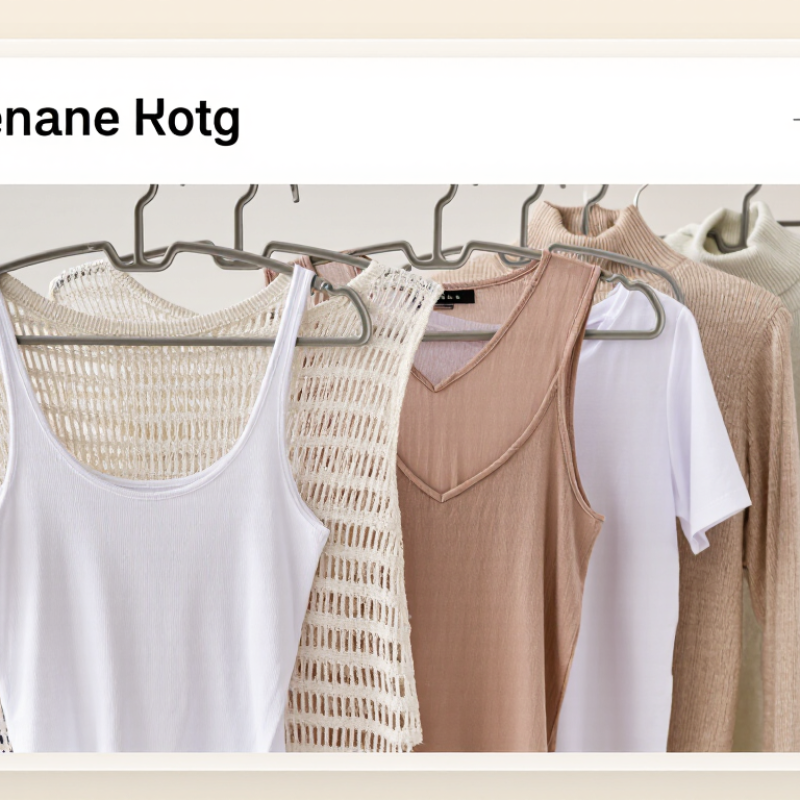
Open Knit Net Tops are moving beyond beach cover-ups in 2026, appearing in everyday outfits, layered looks, and occasion wear. Their appeal is easy to see: open stitches add texture, while the airy construction feels lighter than a conventional sweater. Still, a striking photo does not tell you how a top feels after several hours of wear. Fit matters. So does the size and spacing of the knit.

This guide looks at the top styles through practical details, including yarn feel, neckline, sleeve shape, coverage, and care. A fine-gauge net can sit smoothly over a tank, while larger openings may call for a camisole or fitted base layer. Cotton blends can feel soft and breathable, though some may stretch with repeated wear. Check the garment measurements, not just the size label. That small step can prevent a disappointing fit.

The right pick depends on where you plan to wear it and how much coverage you prefer. Some styles work well with relaxed trousers; others feel more balanced with a simple skirt or denim. There is no universal winner. Color and photos can also mislead, and product details do not always explain how a knit behaves in motion. A little caution helps. The sections ahead compare standout designs and explain what to look for before choosing one.
What Are the Top Open Knit Net Tops for 2026?

Defining Open-Knit Net Tops and Their Key Features

An open-knit net top is a garment built with visible gaps between its knitted loops. Unlike printed patterns, the net effect comes from the structure itself. Openings can be tiny and even, or broad enough to reveal a layer underneath. That matters. I have found that a fine, regular knit feels more restrained, while larger gaps create a bolder, airier look. Still, “net top” is a broad description, not one fixed construction.

Key features include the size and spacing of the openings, the yarn’s weight, and the fabric’s stretch. Cotton blends may feel soft and breathable; synthetic fibers can offer more recovery, though the feel varies by finish. Check the neckline, seams, and cuffs: loose loops may catch on jewelry or rough surfaces. Some pieces have a stable, close-fitting edge; others relax with wear. Not always. A top that looks opaque on a hanger may become sheer when stretched, so try it over a simple camisole or fitted tank. Care labels matter, too. Hand washing can help protect delicate loops, but I would not assume every knit needs identical care.

Major Open-Knit Net Top Styles for 2026

Open-knit net tops for 2026 span several distinct styles. Fine-gauge mesh offers a sheer, close-fitting layer, often with long sleeves and a clean neckline. Chunkier crochet-inspired knits feel more tactile, with visible loops that suit relaxed, boxy shapes. Geometric netting adds a sharper look; diamond and square openings create pattern without printed graphics. Keep it breathable.

Layering changes the effect. A fitted net top over a plain camisole feels measured, while a loose, open-weave style over a contrasting tank looks more graphic. Longline cuts provide coverage at the hip; cropped shapes work well with high-rise trousers or skirts. Check the edges, too: stretched hems and loose seams can make an airy knit look unfinished. This distinction is easy to miss when shopping from photos.

Material choices deserve attention. Textile Exchange’s Materials Market Report 2024 estimates global fiber production reached 124 million tonnes in 2023, with polyester accounting for 57 percent. That figure describes the wider fiber market, not net tops specifically, but it makes fiber content worth checking. McKinsey and The Business of Fashion’s State of Fashion 2025 projected 2–4 percent growth in global fashion sales for 2025, a cautious backdrop that favors versatile pieces. Still, a net top is not automatically easy to wear; fit and layering decide that.

Common Fibers, Mesh Patterns, and Construction Methods

Choosing an open-knit net top starts with the fiber, because it affects drape, stretch, and care. Cotton often feels dry against the skin and gives a net structure a relaxed shape. Linen blends can feel cool, though their yarns may look uneven by design. Viscose usually falls softly, but a loose stitch can stretch under the weight of a damp garment. Fine synthetic fibers may help a top keep its shape; check the care label rather than assuming they are snag-proof. Touch the yarn. Small gaps matter.

Mesh patterns change both appearance and coverage. Even square nets create a clear, regular grid, while diamond meshes can stretch more across the body. Openwork made with larger loops tends to feel airy but may catch on rough jewelry or bag hardware. Examine the fabric in daylight, then gently pull it sideways and let go. Look for loops that return evenly. Construction is just as important: stable necklines, finished armholes, and reinforced seams help prevent edges from curling or widening. A tidy sample can still behave differently after washing, so test a small area when care instructions allow. A little irregularity is not always a flaw, but it should feel intentional rather than fragile.

What Are the Top Open Knit Net Tops for 2026? - Common Fibers, Mesh Patterns, and Construction Methods

Top Style Common Fibers Typical Mesh Pattern Common Construction Wear and Care Notes
Fine Everyday Mesh Tee Cotton, cotton blends, polyester Small, evenly spaced holes in a regular grid Weft-knit mesh, often made on circular knitting equipment Lightweight and easy to layer. Check the care label; cotton may shrink if exposed to high heat.
Large-Gauge Fishnet Top Nylon, polyester, or elastane blends Open diamond-shaped net Warp-knit or specialized net construction; elastane may be included for stretch and recovery Very open and usually worn over a camisole or other layer. Avoid snagging on jewelry and rough surfaces.
Crochet-Look Openwork Top Cotton, linen blends, viscose Loops, open squares, shells, or geometric motifs Hand crochet or machine-made knit designed to resemble crochet Often has a textured, relaxed appearance. Lay flat to dry if the fabric stretches or is heavy when wet.
Diamond-Mesh Layering Top Polyester, nylon, cotton blends Repeating diamond openings, usually more regular than coarse fishnet Warp-knit or weft-knit mesh, depending on the fabric and desired stretch Works as a lightweight layer. A closer-fitting underlayer can provide coverage without hiding the mesh.
Pointelle Knit Top Cotton, viscose, wool, or blended yarns Small decorative eyelets arranged in stripes or motifs Weft knitting with selected stitches arranged to create openwork details More covered than large-hole net styles. Gentle washing helps protect delicate eyelet patterns.
Ladder-Stitch Open Knit Top Cotton, linen, viscose, or blended yarns Vertical or horizontal ladder-like openings Weft-knit structure with dropped or intentionally open stitches Airy and often drapey. Handle carefully because loose openings can catch or elongate.
Textured Cable-and-Mesh Top Cotton, wool, acrylic, or blended yarns Alternating solid cable-like sections and open mesh panels Shaped weft knitting with stitch transfers or a combination of knit and openwork panels Offers more visual texture and coverage than all-over net. Follow the fiber-specific care instructions.
Fine-Gauge Stretch Mesh Top Nylon and elastane, or polyester and elastane Small, fine openings with an even surface Stretch warp-knit mesh or stretch weft knit Close fitting and suitable for layering. Wash gently and avoid high heat, which can damage elastic fibers.
Linen-Blend Open Stitch Top Linen, cotton-linen, or linen-viscose blends Loose, irregular-looking open stitches or spaced mesh panels Usually weft knitted with a relatively open stitch structure Breathable with a naturally textured look. Linen can crease; reshape the garment while damp if needed.
Ribbed Mesh Tank Cotton blends, viscose blends, polyester-elastane Open sections alternating with vertical rib columns Rib knitting combined with mesh or open stitches Ribbing can add stretch and help the top sit close to the body. Check for recovery after washing.

Fiber content and construction vary by garment. Check the product label for exact materials, care instructions, and whether the fabric is knitted, crocheted, or made from a stretch mesh.

How to Choose a Top for Fit, Coverage, and Occasion

Open-knit net tops can look airy and polished, but the right choice depends on fit, coverage, and where you plan to wear it. In 2026, cropped cuts suit high-rise trousers, while longer, relaxed shapes layer easily over a slip dress. Check the shoulder seams and arm openings: a top that pulls or gaps may shift as you move. Comfort matters.

For coverage, hold the fabric up to daylight before buying. Large openings may reveal more than expected, especially across the chest or waist. A smooth camisole gives a neat base; a fitted tank can feel more casual. Match the underlayer’s color to the knit for a quieter look, or choose contrast when you want the texture to stand out. For dinners or office-adjacent settings, try a fine-gauge knit over a simple, opaque layer. For a beach walk, a looser weave may feel cooler, but it can catch on jewelry. That trade-off is easy to miss.

Tips: Sit, reach, and lift your arms while trying the top on. Check whether the hem rides up. Choose soft, secure layers underneath, and remove sharp accessories before wearing open mesh. A mirror helps. Daylight helps more.

What Are the Top Open Knit Net Tops for 2026?

Use this occasion-based guide to compare how much coverage planning and fit attention an open-knit or net top may need.

How to read it: Scores are qualitative styling guidance on a 1–5 scale, not survey results. Open-knit tops can be sheer; actual coverage varies with stitch density, yarn, color, and lighting. Consider an underlayer suited to the setting, and check the top’s fit at the shoulders and openings before wearing.

Layering, Styling, and Caring for Open-Knit Net Tops

Open-knit net tops work best when their transparency is treated as a styling feature, not an afterthought. For a calm daytime look, layer one over a smooth camisole or fitted cotton tank in a close shade. A contrasting base makes the open pattern more visible, while a similar tone keeps the texture subtle. With a crisp shirt underneath, leave the collar and cuffs visible; this gives the airy knit a cleaner outline. Check the neckline and armholes before buying, since a loose edge can shift during wear. Small detail, big difference.

Tips: Try the full outfit in daylight, where gaps and color contrast are easier to judge. Keep jewelry simple around open loops, which can catch on rough edges. If the top feels too exposed, add a lightweight layer rather than pulling the knit tight.

For evening, pair a net top with high-waisted trousers and a smooth, opaque base layer. Balance its volume with a neater bottom; oversized pieces on both halves can look less intentional. Care matters. Read the garment label, hand-wash gently in cool water when permitted, and press water out without wringing. Dry it flat on a clean towel, reshaping the hem while damp. Store it folded instead of hanging, because weight may stretch the open stitches. Layering can look fussy if every color competes. One quiet base layer is often enough.

FAQS

What open-knit net top styles are popular for 2026?

Fine mesh gives a close, sheer look, while chunky crochet-style knits feel more relaxed. Geometric square or diamond openings add pattern without prints.

Which fibers should I look for?

Cotton often feels dry and relaxed; viscose drapes softly, and linen blends can feel cool. Check the care label. Touch the yarn.

How do mesh patterns affect fit and coverage?

Square nets create a regular grid, while diamond meshes may stretch more across the body. Larger loops feel airy but reveal more. Small gaps matter.

What should I wear underneath a net top?

A smooth camisole or fitted tank gives an easy base. Choose a similar shade for subtle texture, or a contrasting color to show the knit.

How can I style one for daytime or evening?

For daytime, layer it over a close-fitting tank or a crisp shirt. For evening, try high-waisted trousers and an opaque base layer.

How can I check construction before buying?

Inspect the neckline, armholes, hems, and seams for loose or curling edges. Gently pull the fabric sideways and see whether the loops return evenly. Photos can mislead.

How should I wash and dry an open-knit top?

Follow the garment label. If permitted, hand-wash gently in cool water, press out water without wringing, and reshape it flat on a clean towel.

Is it better to hang or fold a net top?

Fold it for storage. Hanging may stretch the open stitches under the garment’s weight. I still find fit hard to judge from pictures.

Conclusion

Open Knit Net Tops are lightweight garments defined by open, airy stitches that create texture while allowing glimpses of the layers beneath. In 2026, popular styles range from relaxed, oversized silhouettes to fitted designs, cropped shapes, and refined options with varied necklines or sleeve lengths. Their appearance and feel depend on the fiber, mesh pattern, and construction: soft natural fibers can offer a gentle drape, while other yarns may provide more structure or stretch. Differences in stitch size and density also affect breathability, texture, and coverage.

Choosing the right top means balancing fit, comfort, and the occasion. Consider how much coverage you want, and try layering it over a camisole, fitted tee, or other complementary piece. Pairing it with simple bottoms can let the open-knit texture stand out, while accessories can shift the look from casual to more polished. To keep the garment in good condition, follow its care instructions, handle delicate stitches gently, and store it in a way that helps prevent stretching or snagging.


Seraphina

Seraphina

Seraphina is a dedicated marketing professional with a strong understanding of business strategy, customer engagement, and digital communication. As a key contributor to our company, she regularly updates the corporate blog with practical, well-researched articles that help readers understand......