Industry Insights & Manufacturing Knowledge
Expert guides, textile sourcing strategies, quality assurance tips, and international export trends from KK Fashion Exports.
Cotton Crepe Printed Tops combine breathable cotton, a softly puckered texture, and printed surface design. Their crepe structure can reduce visible wrinkling, while cotton supports airflow near the skin. Textile expert Deborah Young describes crepe as “a fabric with a pebbly surface,” a useful definition for understanding this distinctive finish. The texture comes from yarn twist, fabric construction, or finishing treatment. It is not simply a printed cotton shirt.
Market context matters. Textile Exchange’s Materials Market Report 2024 estimated that cotton represented about 19% of global fiber production in 2023. The same report placed total global fiber output near 124 million tonnes. These figures show cotton’s continuing importance, but they do not prove that every cotton crepe garment is sustainable. Fiber origin, dye chemistry, finishing methods, and factory practices still require verification. That distinction is often overlooked.
A well-made top should feel cool, flexible, and lightly textured against the body. Its print should remain sharp around seams and neckline edges. Poor fabric recovery can make the garment look tired after washing. This is where product testing becomes more valuable than attractive marketing language. Cotton Incorporated’s consumer research repeatedly identifies comfort as a major clothing priority, although comfort varies by climate, fit, and fabric weight. Care labels also deserve attention. Some crepe fabrics shrink.
This guide examines construction, benefits, limitations, styling, and care. It also questions easy assumptions about natural fibers. Cotton feels familiar. Performance still needs evidence.
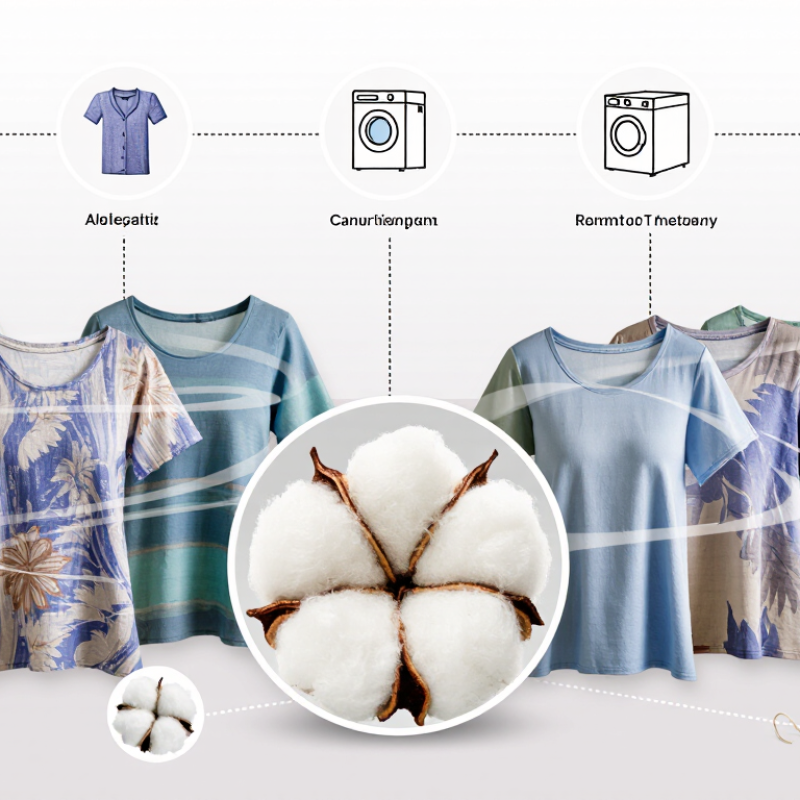
What Are Cotton Crepe Printed Tops? They are lightweight tops made from cotton fabric with a softly puckered crepe surface and printed patterns. Crepe describes the fabric’s texture, not a particular cotton species. Small twists in the yarn, a special weave, or finishing create that dry, grainy hand. The effect can resemble tiny ripples across the cloth. It usually reduces a sharply pressed appearance and gives blouses a relaxed fall. The texture matters. Depending on construction, cotton crepe can feel airy, absorbent, or slightly firm. It may also wrinkle, especially in humid conditions. That is not automatically poor quality. It can signal genuine cotton comfort, although finishing quality still matters.
Industry scale gives the material useful context. Textile Exchange’s Materials Market Report 2024 recorded 124 million tonnes of global fiber production in 2023 and expects growth toward 160 million tonnes by 2030. Cotton represented about one-fifth of that output, keeping it important in everyday apparel. For buyers, examine fiber content, print clarity, and care instructions rather than relying on “crepe” alone. Reactive prints often integrate well with cellulosic fibers, while pigment prints can leave a different surface feel. A close look at inside seams reveals more than a product photograph. Uneven puckering may be intentional, but loose threads and patchy color deserve questions. I have found that texture can look richer online than it feels in hand. That limitation is easy to forget. Cotton crepe printed tops suit office layering, warm-weather travel, and casual dinners when their weight matches the season. They are not universally cool or wrinkle-free.
Cotton crepe printed tops are lightweight to medium-weight cotton garments made with a softly pebbled crepe texture and finished with printed patterns. The chart compares typical fabric-weight ranges used for common cotton top fabrics.
Cotton crepe commonly falls around 110–160 GSM, giving it more body than voile while remaining comfortable for everyday tops. Actual weight can vary according to yarn size, weave, finishing, and print treatment.
Cotton crepe printed tops are lightweight garments with a subtly pebbled surface. That texture comes from yarn twist, weave structure, or both. Manufacturers usually begin with cleaned cotton fibers. The fibers are spun into yarn, often with tighter twists than ordinary shirt yarns. Short sentence. The yarns then enter a controlled weaving process. Uneven tension can create gentle ripples, although modern mills often use engineered structures for better consistency.
After weaving, the gray fabric is scoured to remove natural oils and processing residue. It may then be bleached, softened, or lightly brushed. The printing stage adds floral, geometric, or abstract designs through pigment or dye methods. Heat treatment helps fix the color. However, print clarity depends on fiber quality, fabric preparation, and machine control. A beautiful sample can still show small variations.
The finished cloth usually feels breathable, dry, and slightly textured against the skin. Its surface hides minor wrinkles better than smooth cotton. It also drapes neatly without feeling overly heavy. These qualities suit relaxed blouses, button tops, and warm-weather layering pieces. Cotton crepe can shrink if washing is too hot, especially without proper pre-shrinking. It may also soften after repeated laundering. That is not always a flaw. Some wearers prefer the more flexible hand that develops over time. Care labels remain important, because finishes differ between fabrics.
Cotton crepe printed tops combine a softly crinkled surface with colored motifs. Their texture comes from twisted yarns, uneven tension, or a crepe weave. This structure gives the fabric a dry hand and gentle drape. It also affects print clarity. Fine lines may appear slightly broken across raised areas. Texture changes everything.
Rotary screen printing remains useful for repeated florals, paisleys, and geometric borders. It deposits consistent color across long fabric lengths. Digital printing suits watercolor effects, photographic florals, and small production runs. It can create smoother gradients with less setup waste. Pigment inks sit mainly on the surface, while reactive dyes bond with cotton fibers. Reactive printing usually delivers a softer handle, but it needs washing and steaming.
Industry data supports this technical shift. Grand View Research’s 2024 Digital Textile Printing Market report projects strong growth through 2030, driven by shorter runs and design flexibility. Textile Exchange’s Materials Market Report 2024 records global fiber production at about 124 million tonnes in 2023, keeping cotton a major apparel input. These figures explain why printed cotton remains commercially important.
Pattern selection should respect crepe’s movement. Small scattered flowers hide minor distortion better than rigid checks. Oversized abstracts create stronger visual impact, though placement can become unpredictable. A practical inspection should include colorfastness, rubbing, and laundering tests, such as AATCC methods. Still, no print is perfectly uniform. That is not always a defect. It can be part of the fabric’s character.
What Are Cotton Crepe Printed Tops?
How Are Cotton Crepe Printed Tops Designed for Fit and Comfort?
Cotton crepe printed tops combine a lightly crinkled surface with breathable natural fiber. The texture gives the fabric visual depth without heavy decoration. Textile Exchange’s 2024 Materials Market Report estimated cotton represented about 22% of global fiber production in 2023. That scale explains its continued importance in everyday clothing.
Fit begins with fabric behavior. Designers often use relaxed shoulders, curved side seams, and moderate ease around the chest. These details allow movement without making the top look shapeless. A narrow neckline binding can reduce stretching, while side vents help the hem sit naturally over trousers or skirts. Small details matter.
Comfort also depends on print placement and seam construction. Large motifs may be centered across the body, while smaller prints can soften areas near the waist. Lightweight cotton crepe usually feels airy, but dense printing may reduce softness slightly. This is easy to overlook. Cotton Incorporated’s Global Lifestyle Monitor consistently identifies comfort as a major apparel purchase priority, reinforcing the need for practical design choices.
A good top should not cling after sitting. It should also recover after washing. Pre-shrunk fabric, balanced stitching, and a carefully tested size chart help, though no production method is perfect. Some designs still need refinement after real wear. That feedback is valuable.
| Design Dimension | Typical Specification or Feature | How It Supports Fit and Comfort | Practical Consideration |
|---|---|---|---|
| Fabric Structure | Cotton crepe is a woven fabric with a subtly pebbled or crinkled surface and a soft, matte appearance. | The textured surface helps the top drape without looking completely flat, while cotton provides a natural hand feel. | The exact softness, weight, and drape vary according to yarn, weave, finishing, and fabric weight. |
| Fiber Content | Made primarily from cotton; some garments may include a small amount of another fiber for stretch, strength, or easier care. | Cotton can feel breathable and absorb moisture, making it suitable for everyday warm-weather wear. | Check the fiber label because performance differs between 100% cotton and blended constructions. |
| Printed Surface | Common motifs include florals, geometrics, stripes, dots, abstract forms, and small repeating patterns. | A well-planned print can visually balance the silhouette and reduce the prominence of minor creasing. | Print scale and placement influence the visual proportion of the garment, especially around the bust and shoulders. |
| Ease Allowance | Relaxed tops commonly include additional room at the chest, waist, and upper arm rather than fitting tightly against the body. | Moderate ease allows sitting, reaching, and layering without excessive pulling across seams. | Too much ease can make the top appear oversized; compare garment measurements with body measurements. |
| Shoulder and Armhole Fit | Shoulder seams are generally aligned near the shoulder edge, with an armhole shaped to permit normal arm movement. | Correct positioning helps prevent restricted movement, seam strain, and excess fabric around the upper body. | Dropped shoulders and dolman sleeves provide more room but create a looser, less structured silhouette. |
| Neckline Design | Typical options include crew, round, V-neck, notch, mandarin, and collared necklines. | The neckline affects perceived room, ease of dressing, and comfort around the neck and upper chest. | A neckline should lie flat without gaping or pressing into the neck during movement. |
| Sleeve Construction | Short, elbow-length, three-quarter, and long sleeves may be finished with cuffs, hems, or elastic details. | Sleeve volume and length influence airflow, range of motion, and suitability for different seasons. | Cuffs should allow comfortable movement without feeling tight around the upper arm or wrist. |
| Hemline and Silhouette | Common silhouettes include straight, A-line, tunic, peplum, boxy, and gently curved hems. | A shaped or curved hem can provide coverage while reducing tightness around the hips and lower torso. | The hem should remain comfortable when seated and should not ride up during ordinary movement. |
| Seam and Panel Placement | Side seams, darts, princess seams, yokes, or gathers may be used to shape the garment. | Strategic shaping distributes fabric more evenly and can improve fit without making the garment restrictive. | Smooth, secure seams reduce rubbing; print matching may be less exact where panels are gathered or curved. |
| Closure and Dressing Ease | Pull-on styles may use a wider neckline, while button-front or back-opening designs provide additional access. | Appropriate openings make dressing easier and reduce the need to stretch the fabric excessively. | Buttons, zippers, and fasteners should lie flat and should not create pressure points while sitting. |
| Finishing Details | Neckline facings, clean hems, reinforced seams, and lightweight lining may be included. | Neat finishing prevents seam edges from irritating the skin and helps the top retain its shape. | Lining can improve opacity but may also add warmth; inspect whether it is breathable and smooth. |
| Care and Dimensional Stability | Cotton garments may shrink or change shape if exposed to high heat, depending on fabric treatment and construction. | Following the care label helps preserve the intended measurements, print appearance, and drape. | Use the recommended wash temperature and avoid assuming that every cotton crepe top is dryer-safe. |
| Best Fit Check | Check bust, shoulder, upper-arm, body-length, and hem measurements before selecting a size. | A complete measurement check is more reliable than relying on size labels alone, which can vary between garments. | When between sizes, consider the desired silhouette, fabric structure, and whether layering is needed. |
Cotton crepe printed tops are made from cotton fabric with a softly pebbled, slightly crinkled surface. This texture gives the top gentle movement and helps hide minor wrinkles. Printed patterns may include flowers, geometric shapes, or small repeating motifs. The fabric usually feels breathable, though its comfort depends on weight, weave, and finishing.
Wear the top with calm, solid-colored pieces. Wide-leg trousers, denim skirts, or tailored shorts can balance a lively print. Tuck the front lightly for shape, but avoid pulling the fabric tightly. Cotton crepe looks polished with simple earrings and low-profile shoes. Keep the outfit relaxed.
Fit matters more than decoration.
For care, read the garment label before washing. Cold water and a mild detergent usually protect cotton fibers and printed colors. Turn the top inside out, use a gentle cycle, and avoid harsh bleach. Do not twist it aggressively after washing. Press out excess water with a clean towel, reshape the shoulders, and air-dry it away from strong sunlight. High heat can shrink cotton and dull a print. That detail is easy to overlook.
Iron the reverse side on a low or medium setting. Place a thin cloth between the iron and fabric when the print feels delicate. A steamer may work, but test a hidden area first. Stains should be blotted, not scrubbed, because friction can disturb the surface and spread color. Even careful routines are not perfect; frequent washing can eventually soften the print.
Twisted yarns or a crepe weave create a softly pebbled surface. The texture gives a dry hand and gentle drape. It can slightly break fine printed lines. Texture changes everything.
Rotary screen printing suits repeated florals, paisleys, and geometric borders. Digital printing handles watercolor effects, detailed florals, and shorter production runs. Digital printing may reduce setup waste.
Small scattered flowers hide slight distortion better than rigid checks. Oversized abstract motifs create stronger impact. Their placement can become less predictable.
Pair a lively print with wide-leg trousers, a denim skirt, or tailored shorts. Add simple earrings and low-profile shoes. Keep the outfit relaxed.
Yes, a comfortable fit usually looks better than excessive decoration. Try a light front tuck for shape. Avoid pulling the fabric tightly. Fit matters most.
Check the care label first. Use cold water, mild detergent, and a gentle cycle. Turn the top inside out before washing. Avoid harsh bleach and aggressive twisting.
Press excess water with a clean towel, then reshape the shoulders. Air-dry it away from strong sunlight. Iron the reverse side using low or medium heat. High heat may shrink cotton or dull the print.
Blot stains gently instead of scrubbing them. Friction can disturb the textured surface and spread color. Test a steamer on a hidden area first. Careful routines still are not perfect.
Not always. Frequent washing can gradually soften the print. Minor irregularities may reflect the fabric’s character rather than a serious flaw. A practical check should include colorfastness, rubbing, and laundering.
Cotton Crepe Printed Tops are lightweight, textured garments made from cotton crepe fabric, which is created by tightly twisting and weaving cotton fibers to produce a softly crinkled surface. This construction gives the material a breathable feel, gentle drape, and comfortable texture suitable for everyday wear. Printed designs may be produced through methods such as screen printing, digital printing, or block printing, featuring floral motifs, geometric shapes, abstract artwork, stripes, and other expressive patterns.
These tops are often designed with relaxed or shaped silhouettes, comfortable necklines, practical sleeves, and carefully placed seams to support easy movement and a flattering fit. They can be paired with jeans, skirts, tailored trousers, or simple shorts for casual, work, or semi-formal outfits. To preserve their color, shape, and texture, Cotton Crepe Printed Tops should generally be washed gently in cool water, handled carefully, dried away from strong sunlight, and ironed at a low temperature when necessary.