Manufacturers of Scarves, Shawls, Garments & Fashion Accessories from India  |  About Us  |  Contact Us
Garment Manufacturing & Apparel Industry Blog
Apparel Manufacturing & Export Insights
Textile Sourcing & Quality Control Blog

Industry Insights & Manufacturing Knowledge

Garment Manufacturing & Apparel Export Blog

Expert guides, textile sourcing strategies, quality assurance tips, and international export trends from KK Fashion Exports.

0%

Choosing quality Men Woven Scarves for wholesale requires more than comparing prices. Retail buyers must assess fabric, construction, supplier reliability, and customer appeal together. A scarf may look attractive in a catalog, yet feel thin, rough, or poorly finished in hand. That difference can damage repeat sales.

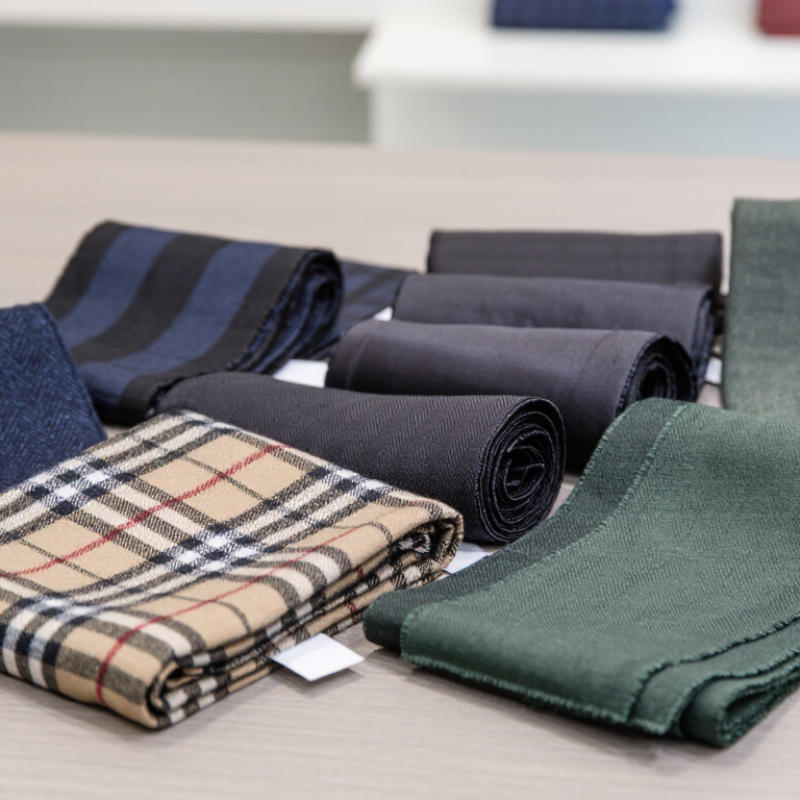
Begin with the fiber content and weaving structure. Wool, cotton, viscose, and blended yarns create different levels of warmth, softness, durability, and cost. Ask for physical samples before placing a large order. Rub the fabric gently between your fingers. Check whether the surface pills, sheds fibers, or loses shape after folding. Inspect the edges closely. Straight hems, secure stitching, and balanced patterns often reveal careful production.

Do not overlook practical details. A wholesale scarf should match the climate, style preferences, and price range of its target market. Neutral plaids may suit office wear, while deeper colors and heavier textures can attract winter shoppers. Packaging also matters. A clean label and protected folding can improve the first retail impression.

Supplier communication deserves equal attention. Confirm measurements, color consistency, lead times, minimum order quantities, and inspection procedures in writing. Responsible suppliers should explain material claims clearly and provide realistic production information. Still, no checklist guarantees perfection. Some samples perform differently after repeated use, and buyers may underestimate local preferences. Small trial orders are safer than confident assumptions. By combining hands-on testing with documented supplier checks, wholesalers can select Men Woven Scarves that offer dependable quality and stronger long-term value.
How to Choose Quality Men Woven Scarves for Wholesale?

Define the Purpose and Target Market for Wholesale Men’s Woven Scarves

Choosing quality men’s woven scarves for wholesale starts with a clear purpose. A scarf for office commuters needs a neat weave, moderate warmth, and quiet colors. Outdoor customers may prefer thicker fabric, stronger edges, and better wind protection. Gift buyers often value soft hand-feel and refined packaging. Know the use before comparing prices.

Define the target market by age, climate, spending level, and daily habits. Young urban buyers may choose narrow scarves in charcoal, olive, or checked patterns. Mature customers may prefer wider styles and classic shades. Retailers in colder regions need heavier yarns, while mild climates suit lightweight cotton or blended fibers.

Ask suppliers for samples. Check the stitching, surface tension, color consistency, and fabric recovery after folding. A practical test helps. Wear the sample for several hours. Note itching, slipping, and unwanted pilling.

Wholesale decisions also depend on order size and sales timing. A reliable supplier should explain fiber content, measurements, tolerance ranges, production schedules, and inspection procedures clearly. Request pre-production samples when patterns or colors matter.

My own early mistake was choosing a soft sample without testing its edges. Several pieces later showed loose threads. That experience changed my buying checklist. Quality is not only visual. It must survive handling, display, transport, and repeated use. Leave room for correction. Customer preferences can shift faster than expected.

Evaluate Scarf Materials, Weaving Quality, and Seasonal Suitability

For wholesale buyers, material choice starts with the scarf’s intended use. Fine merino offers warmth and a soft hand, while cotton suits milder climates. A wool blend can reduce cost, but fiber percentages must be clearly documented. Ask for composition records and request a physical sample before approving a large order. Rub the fabric gently between your fingers. It should feel consistent, not thin at the edges or unusually stiff. Check for loose yarns, skipped threads, uneven selvedges, and color variation under daylight. These small flaws often become obvious after repeated folding.

Weaving quality affects durability more than a polished product photo suggests. Hold the scarf against light and inspect the spacing between threads. A stable weave should return to shape after light stretching. Pulling too hard can damage delicate fibers, so keep the test modest. Seasonal suitability also affects wholesale sell-through. Heavy scarves may work in cold regions, but they can sit unsold in warm markets. Review local temperature patterns, customer age groups, and preferred wearing habits. A fringe that tangles easily may disappoint shoppers, even when the fabric feels luxurious. No inspection is perfect. I would record defects with photos and compare samples from different batches. This extra step makes supplier discussions clearer and prevents memory-based decisions.

Check Sizes, Designs, Colors, and Customization Options

Choosing quality men’s woven scarves for wholesale starts with measurable details, not attractive photos. Grand View Research estimates the global scarves market will expand at about 4.5% annually from 2023 to 2030. That growth rewards suppliers who control specifications carefully. Request exact dimensions, such as 30 x 180 centimeters, and check tolerance after washing. A scarf may look generous on a screen but feel narrow around the neck. Ask for fabric weight, weave density, edge finishing, and shrinkage data. Softness matters, yet excessive softness can hide loose yarns.

Design should match the buyer’s market. Herringbone, windowpane, and subtle checks suit office clothing, while textured stripes support casual collections. Use charcoal, navy, camel, forest green, and muted burgundy for dependable wholesale ranges. Color cards and laboratory samples are safer than digital images. Textile Exchange’s 2024 Materials Market Report states that polyester represented 57% of global fiber production in 2023. This makes recycled polyester worth discussing, but certification and fiber content must be verified. I would not rely on the label alone.

Customization can include woven logos, private color matching, fringe length, packaging, and recycled-fiber blends. Confirm the minimum order quantity and whether the artwork affects the loom setup. Small changes may increase lead times sharply. A pre-production sample is essential. Still, one sample cannot reveal every production problem. Test several pieces for pilling, color transfer, seam stability, and odor after washing. That extra inspection feels slow. It often prevents expensive wholesale returns.

Assess Supplier Reliability, Pricing, Minimum Orders, and Samples

When choosing men’s woven scarves for wholesale, supplier reliability deserves close attention. Ask for business registration details, production photos, and recent inspection records. A dependable supplier answers clearly about fiber content, weaving methods, colorfastness, and delivery schedules. Request samples before discussing a large order. Examine the scarf under natural light. Check loose threads, uneven edges, fabric weight, and label accuracy. Small details matter.

Pricing should be compared by total landed cost, not unit price alone. Include sampling fees, packaging, shipping, customs charges, and possible remake costs. Ask whether the quoted price changes with cotton, wool, or blended fibers. A very low offer may hide thinner fabric or weaker finishing. Ask for evidence. Minimum order quantities also need careful negotiation. Some suppliers accept mixed colors or patterns within one order, while others require one design per batch. This difference can affect your inventory risk.

I once focused too much on a low sample price and overlooked slow communication. That mistake delayed a seasonal purchase. Now, I set response-time expectations and record every specification in writing. Still, samples are not perfect proof. Production may vary between batches, especially with woven textures and dyed yarns. Request a pre-production sample, approve measurable standards, and inspect random pieces before shipment. Leave room for honest discussion when a supplier misses a detail; their response often reveals more than their sales promise.

How to Choose Quality Men Woven Scarves for Wholesale? - Assess Supplier Reliability, Pricing, Minimum Orders, and Samples
Practical wholesale assessment benchmarks for men's woven scarves; prices are indicative FOB ranges and vary by fiber, size, construction, and order volume.
Evaluation Dimension Strong Wholesale Benchmark Acceptable Benchmark Risk Signals How to Verify
Supplier Reliability Low Risk
At least 3 years of relevant woven-scarf production experience, stable export documentation, and consistent responses within one business day.
Moderate Risk
One to three years of experience with clear production capacity and verifiable transaction records.
High Risk
Unclear factory location, inconsistent specifications, missing business documents, or repeated delays in communication.
Request business registration, factory or production-site evidence, export references, and a written production schedule.
Indicative Unit Pricing Competitive
Polyester: US$1.80–3.50
Cotton blends: US$2.80–5.50
Wool blends: US$5.00–10.00
Typical FOB pricing for standard sizes and packaging.
Market Range
Pricing is within approximately 10–15% of comparable offers after matching fiber content, dimensions, weight, finishing, and packaging.
Unusually Low
A quote more than 15–20% below comparable offers without a clear explanation may indicate lower fiber content, lighter fabric weight, or incomplete costs.
Compare at least three like-for-like quotations and request a detailed cost breakdown for fabric, labels, packaging, and delivery terms.
Minimum Order Quantity (MOQ) Flexible
100–300 pieces per color for existing designs; 300–500 pieces per color for customized patterns or labels.
Standard
500–1,000 pieces per style, especially for custom jacquard patterns, special yarns, or private packaging.
Restrictive
MOQ above 1,000 pieces per color without volume discounts, or an unclear MOQ that changes after sampling.
Confirm MOQ by style, color, size, material, and packaging in the proforma invoice before placing an order.
Sample Availability Strong
Existing samples available within 3–7 days; customized samples generally completed within 7–14 days.
Manageable
Sample development takes 15–21 days with a documented approval process.
Warning
The supplier refuses to send samples, provides only digital images, or cannot reproduce an approved sample accurately.
Order a physical sample and approve color, dimensions, fabric weight, fringe, label placement, and packaging in writing.
Sample Cost and Refund Policy Transparent
Sample charge commonly ranges from US$20–80 per design, plus shipping; the charge may be credited against a confirmed bulk order.
Reasonable
Sample fees are non-refundable but clearly itemized and supported by a formal quotation.
Unclear
Unexpected development charges, payment requests to personal accounts, or no written policy for sample revisions.
Obtain a sample invoice showing sample fee, courier charge, revision fee, refund conditions, and payment beneficiary.
Material Accuracy Verified
Fiber composition, fabric weight, dimensions, and care instructions match the approved specification and applicable labeling rules.
Controlled
Minor production tolerances are defined, such as approximately ±3% for dimensions and ±5% for fabric weight.
Mismatch
Unverified wool claims, vague descriptions such as “wool touch,” or missing fiber-content information.
Use fiber-content testing when needed and include composition, weight, size, and tolerance requirements in the purchase order.
Colorfastness and Fabric Quality Consistent
Even weaving, clean edges, secure fringe, stable dimensions, and no visible color bleeding after normal care testing.
Usable
Minor shade variation is controlled by an approved color standard or physical swatch.
Defective
Loose yarns, skipped threads, odor, uneven selvages, excessive pilling, or obvious shade differences between production lots.
Approve a pre-production sample, define an inspection checklist, and conduct a third-party or internal final inspection before shipment.
Production Lead Time Predictable
Approximately 20–35 days after sample approval and deposit for standard products; custom designs may require 30–45 days.
Plannable
Approximately 45–60 days with a milestone schedule covering yarn purchase, weaving, finishing, inspection, and packing.
Uncertain
No written delivery date, frequent unexplained schedule changes, or inability to provide progress updates.
Add a confirmed ship date, delay notification procedure, and remedy for late delivery to the purchase agreement.
Payment Terms Balanced
A common structure is 30% deposit and 70% balance after inspection or before shipment, subject to agreed trade terms.
Negotiable
Payment is split into milestones, with the final balance linked to inspection approval and shipping documents.
Exposure
100% payment before production, pressure to bypass a business account, or refusal to document quality claims.
Use a written sales contract, confirm the beneficiary, and link the final payment to inspection results and required documents.
Packaging and Labeling Retail Ready
Individual folding, protective polybag or paper band, carton markings, care labels, fiber labels, and barcode options are available.
Basic
Standard bulk packing is included, while custom labels and retail packaging require separate fees and MOQs.
Incomplete
Missing country-of-origin details, incorrect fiber labels, weak cartons, or packaging that does not protect fringe and edges.
Approve packaging artwork, carton dimensions, packing quantity, shipping marks, and labeling requirements before production.
Final Selection Rule Recommended
Choose the supplier offering the best combination of verified quality, stable lead time, transparent pricing, suitable MOQ, and responsive after-sales support.
Conditional
Proceed only with a smaller trial order if the supplier is new but passes sample, documentation, and inspection checks.
Avoid
Do not select solely on the lowest unit price when samples, material composition, delivery commitments, or payment protections are unclear.
Score each supplier from 1–5 across reliability, quality, price, MOQ, samples, lead time, payment, and service; require a minimum overall score before ordering.
Assessment note: The price, MOQ, sample, and lead-time figures are practical wholesale benchmarks rather than company-specific quotations. Always confirm the final specifications, applicable import requirements, testing needs, shipping terms, and total landed cost before placing a purchase order.

Verify Quality Standards, Packaging, Shipping, and After-Sales Support

When sourcing men’s woven scarves wholesale, I inspect quality before discussing price. A sample should feel balanced, not stiff or excessively thin. I check weave density against a light, then examine loose threads, uneven edges, color bleeding, and missed stitches. The fabric label should state fiber content, care instructions, and origin accurately. Ask for test reports when scarves claim colorfastness, shrinkage control, or skin-contact safety. Documents alone are not enough. Touch still matters. One overlooked detail is odor. A strong chemical smell may indicate poor finishing or weak storage control.

Packaging protects quality after production. Each scarf should be folded evenly, covered against dust, and packed in moisture-resistant cartons. Request carton dimensions, gross weight, inner quantity, and clear packing photos before approval. For larger orders, confirm pre-shipment inspection steps and acceptable defect limits in writing. Shipping plans need more than a low freight quote. Check dispatch dates, tracking availability, customs paperwork responsibility, and damage procedures. A rushed delivery can create retail delays and hidden costs.

Reliable after-sales support should define response times, evidence requirements, and remedies for shortages or defects. Ask how claims are reviewed and whether replacement, credit, or rework is possible. Keep photos, carton counts, inspection notes, and delivery records. I have found that small misunderstandings grow when expectations stay verbal. A written quality checklist reduces that risk, although it cannot prevent every mistake. Leave room for practical review when fabric behavior differs slightly between batches.

Wholesale Men's Woven Scarf Evaluation Benchmarks

Practical target levels for verifying materials, packaging, shipping reliability, and after-sales support before placing a wholesale order.

The benchmarks combine common procurement checks: accurate material composition, colorfastness at grade 4 or above on the ISO 105-A02 grey scale, intact packaging, dependable delivery, and a response within 24 hours for after-sales inquiries. Buyers should confirm the final thresholds with their supplier and product specifications.

FAQS

What measurements should I request for men’s woven scarves?

Ask for exact dimensions, such as 30 x 180 centimeters. Check size tolerance after washing. A screen image can mislead.

Which fabric details matter before placing a wholesale order?

Request fabric weight, weave density, edge finishing, and shrinkage data. Check loose yarns carefully. Extreme softness can hide weakness.

Which colors and patterns suit wholesale collections?

Charcoal, navy, camel, forest green, and muted burgundy are dependable choices. Herringbone and subtle checks suit office clothing. Textured stripes feel more casual.

How can I verify color accuracy?

Compare physical color cards with laboratory samples. Digital images may appear brighter or darker. Lighting still changes perception.

What customization options can suppliers usually provide?

Options may include woven logos, private color matching, fringe lengths, packaging, and fiber blends. Confirm minimum order quantities. Artwork may change loom setup and lead time.

Is one pre-production sample enough?

No. One sample cannot reveal every production problem. Test several pieces for pilling, color transfer, seam stability, and washing odor. Extra checking feels slow. It can prevent costly returns.

What quality problems should I inspect during sampling?

Hold the scarf against light and inspect weave density. Check uneven edges, missed stitches, bleeding colors, and loose threads. Touch still matters.

What packaging and shipping details should I confirm?

Ask for folded packing methods and moisture-resistant cartons. Confirm carton dimensions, gross weight, inner quantity, and packing photos. Also check dispatch dates, tracking, paperwork responsibility, and damage procedures.

How should after-sales claims be handled?

Confirm response times, evidence requirements, and available remedies. Possible remedies include replacement, credit, or rework. Keep photos, carton counts, inspection notes, and delivery records. Verbal promises are easy to misunderstand.

Conclusion

Choosing quality Men Woven Scarves for wholesale begins with understanding their purpose and target market. Consider whether the scarves are intended for formal wear, everyday use, outdoor activities, or seasonal collections. Evaluate materials such as cotton, wool, linen, or blended fibers, paying attention to softness, durability, breathability, weaving density, and suitability for different climates. Carefully review sizes, patterns, colors, and available customization options to ensure the products match customer preferences and market trends.

A dependable supplier should offer transparent pricing, reasonable minimum order quantities, and samples for quality evaluation before placing a large order. Check stitching, color consistency, edge finishing, labeling, and overall craftsmanship. It is also important to confirm quality standards, protective packaging, shipping arrangements, production timelines, and after-sales support. By comparing these factors systematically, wholesalers can reduce purchasing risks, maintain consistent product quality, and build a versatile scarf collection that meets both business goals and customer expectations.


Seraphina

Seraphina

Seraphina is a dedicated marketing professional with a strong understanding of business strategy, customer engagement, and digital communication. As a key contributor to our company, she regularly updates the corporate blog with practical, well-researched articles that help readers understand......